
油气藏评价与开发 ›› 2026, Vol. 16 ›› Issue (1): 107-117.doi: 10.13809/j.cnki.cn32-1825/te.2025053
王继伟1,2( ), 刘建1,2, 王选茹1,2, 石璐铭1,2, 郝栋1,2, 宋鹏1,2, 任吉田3, 肖文联3()
收稿日期:2025-01-24
发布日期:2026-01-06
出版日期:2026-01-26
通讯作者:
肖文联(1983—),男,博士,教授,从事非常规油气渗流物理及其在油气田开发中应用的教学和科研工作。地址:四川省成都市新都区西南石油大学,邮政编码:610500。E-mail:joshxiao@163.com作者简介:王继伟(1986—),男,硕士研究生,工程师,主要从事油气地质与开发方面的研究工作。地址:陕西省西安市未央区长庆兴隆园小区勘探开发研究院,邮政编码:710018。E-mail:wangjw_cq@petrochina.com.cn
基金资助:
WANG Jiwei1,2(), LIU Jian1,2, WANG Xuanru1,2, SHI Luming1,2, HAO Dong1,2, SONG Peng1,2, REN Jitian3, XIAO Wenlian3()
Received:2025-01-24
Online:2026-01-06
Published:2026-01-26
摘要:
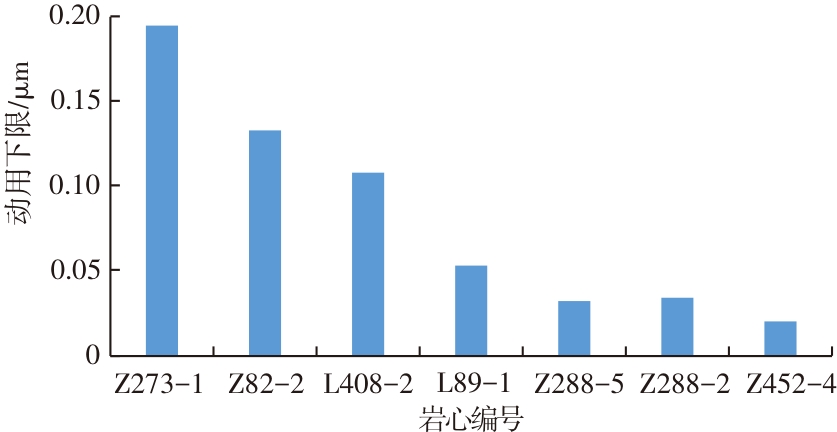
致密油藏物性差和压力系数低的特点使得低渗透油藏成功应用的超前注水开发技术难以直接移植到致密油藏。超前注CO2技术作为一种新兴提高采收率的方法受到关注,然而其微观驱油特征和提高采收率效果仍有待研究。为此,选取鄂尔多斯盆地西331区块长8段储层岩心,结合核磁共振技术完成了水驱、不同压力的CO2驱和不同压力的超前注CO2驱实验,明确了不同开发方式下的采收率特征和微观动用特征。同时,根据毛细管模型建立了动用下限计算模型,获取了不同开发方式的孔隙动用下限。实验结果表明,水驱采收率在40%左右,原油主要来自于大孔隙,中小孔隙动用效果较差;相比水驱,超临界CO2驱采收率更高,且随着驱替压力的增加而增加,混相驱采收率为76%;超前注CO2驱替进一步提高了采收率,压力达到混相压力的1.2倍时,采收率为87%,中小孔采收率达到了14.1%,约为混相驱的1.5倍;水驱和CO2非混相驱后剩余油以连片剩余油为主,岩心出口端剩余油仍然较多;随着CO2驱压力的增加,原油饱和度下降明显,且连片剩余油减少,表现更多孤立油滴;超前注CO2驱后,原油饱和度进一步下降,且大面积的连片剩余油明显减少,主要表现为孤立油滴和小连片聚集的剩余油;水驱孔喉动用下限为194 nm,CO2驱和超前注CO2驱孔隙动用下限随着注入压力的增加而降低,超前注CO2驱可动用20 nm孔隙内原油。
中图分类号:
WANG Jiwei,LIU Jian,WANG Xuanru, et al. Characterization of crude oil mobilization under advanced CO2 injection in tight oil of Chang 8 member, Ordos Basin[J]. Petroleum Reservoir Evaluation and Development, 2026, 16(1): 107-117.

表1
鄂尔多斯盆地长8段岩心基本物性"
| 序号 | 岩心编号 | 样品直径/cm | 样品长度/cm | 孔隙度/% | 渗透率/10-3 μm2 | 实验方案 | 实验压力/MPa |
|---|---|---|---|---|---|---|---|
| 1 | L408-2 | 2.52 | 4.92 | 9.27 | 0.29 | CO2驱 | 15 |
| 2 | L89-1 | 2.52 | 4.05 | 10.90 | 0.39 | CO2驱 | 20 |
| 3 | Z82-2 | 2.50 | 4.11 | 11.82 | 0.25 | CO2驱 | 10 |
| 4 | Z288-2 | 2.51 | 5.07 | 8.15 | 0.20 | 超前注气 | 20 |
| 5 | Z288-5 | 2.50 | 5.08 | 7.32 | 0.16 | 超前注气 | 18 |
| 6 | Z452-4 | 2.50 | 5.06 | 8.43 | 0.20 | 超前注气 | 22 |
| 7 | Z273-1 | 2.51 | 5.06 | 8.83 | 0.21 | 水驱 | 5 |
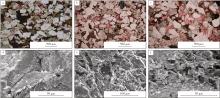
图1
鄂尔多斯盆地马岭油田西331区块长8段致密油孔隙类型及组合关系注:a为发育粒间孔和长石溶蚀孔,铸体薄片;b为局部发育粒间孔和溶蚀孔,片状喉道,铸体薄片;c为发育长石溶蚀孔,片状和缩颈喉道,铸体薄片;d为粒间孔被绿泥石充填,片状喉和管束喉道,扫描电镜;e为粒间孔,扫描电镜;f为粒间孔充填高岭石,片状喉和管束喉道,扫描电镜"

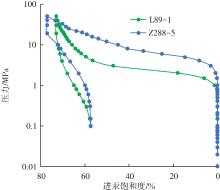
图2
长8段致密油高压压汞情况"
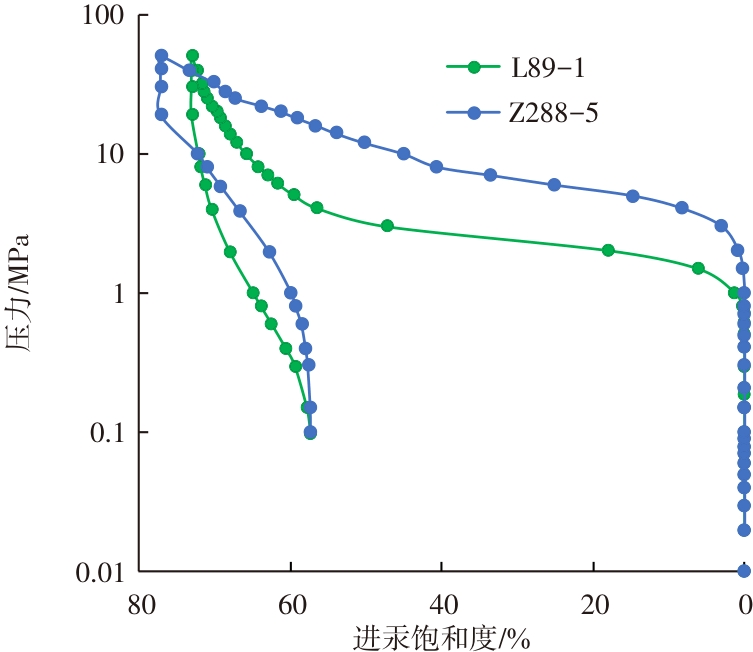
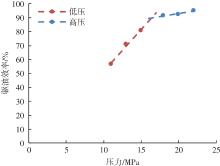
图3
最小混相压力测试结果"
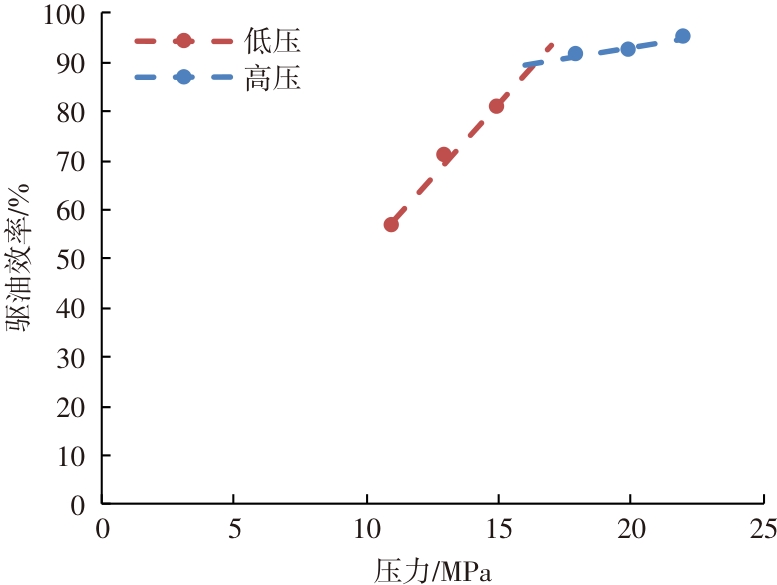
图4
实验装置及实验流程"
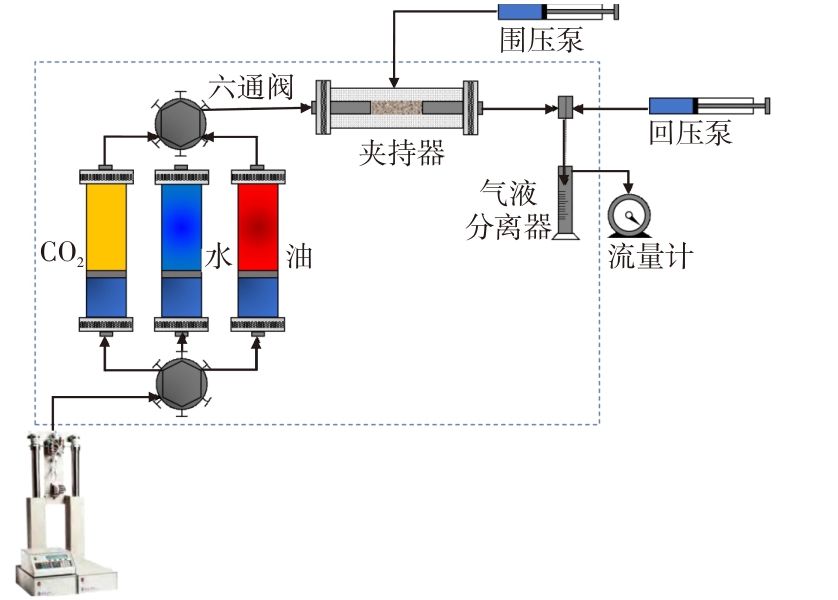
图5
孔隙半径与横向弛豫时间拟合曲线"
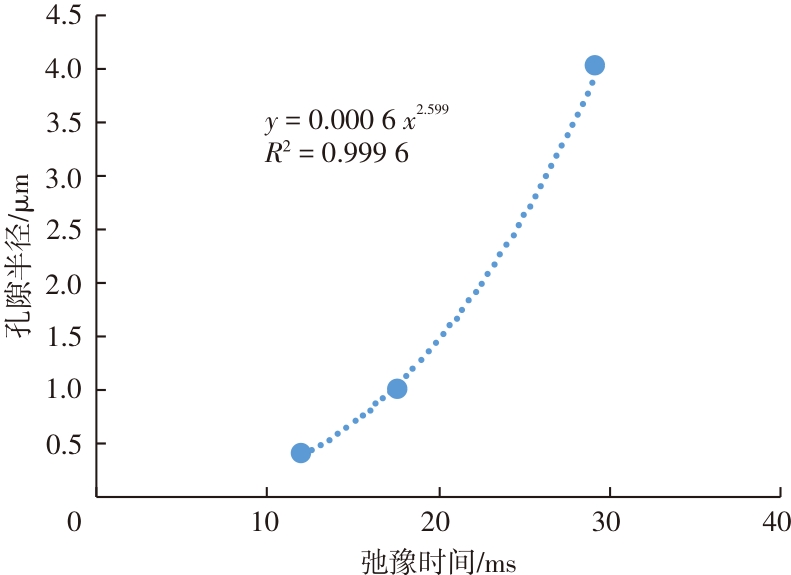
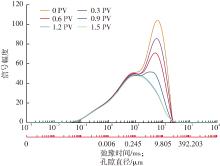
图6
水驱油过程核磁共振T2谱变化"
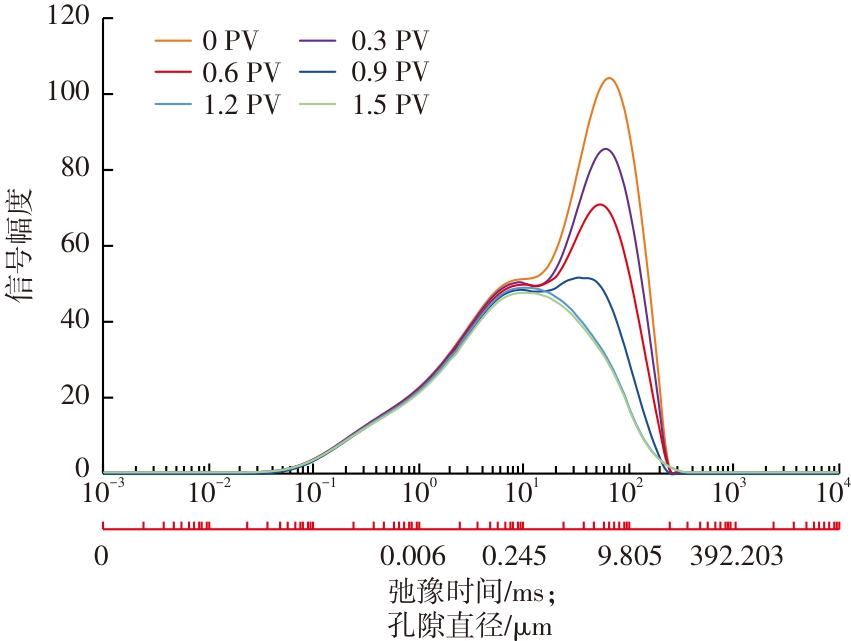
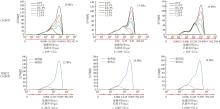
图7
CO2驱油和超前注CO2驱过程核磁共振T2谱变化"
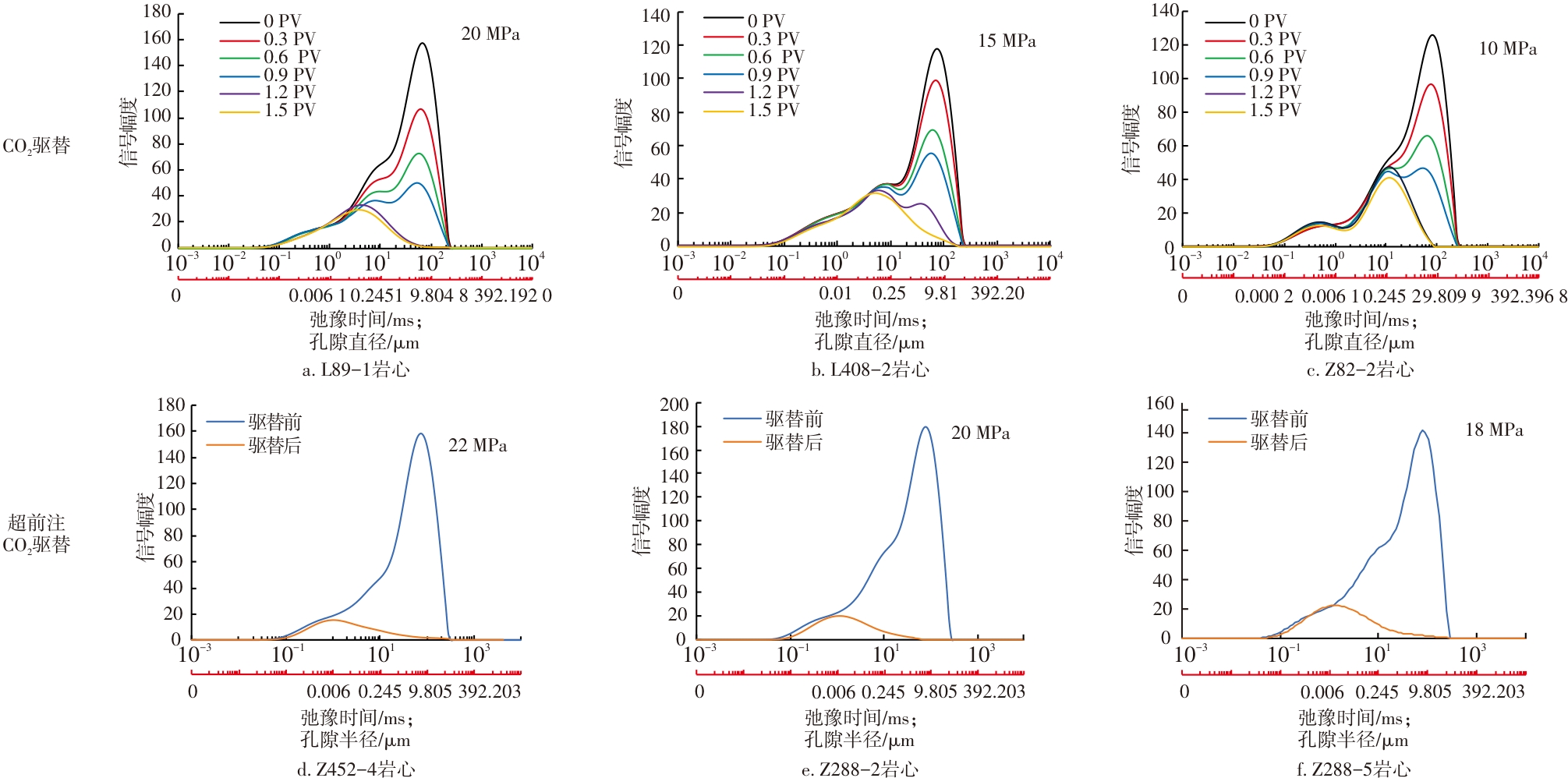
图8
CO2驱过程不同孔隙采收率变化特征"
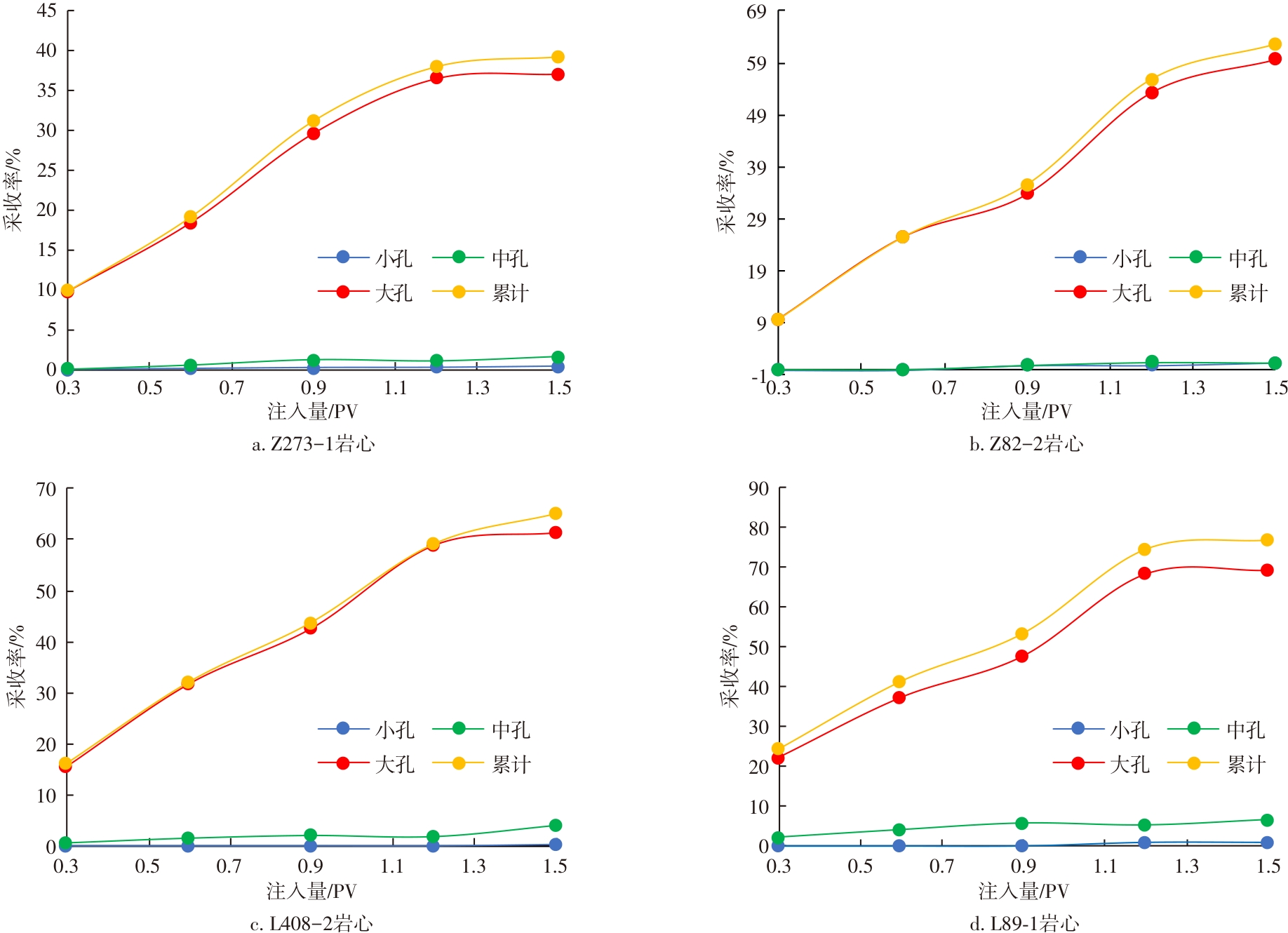
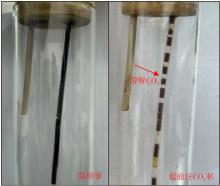
图9
混相驱/超期注CO2驱油相流动特征"
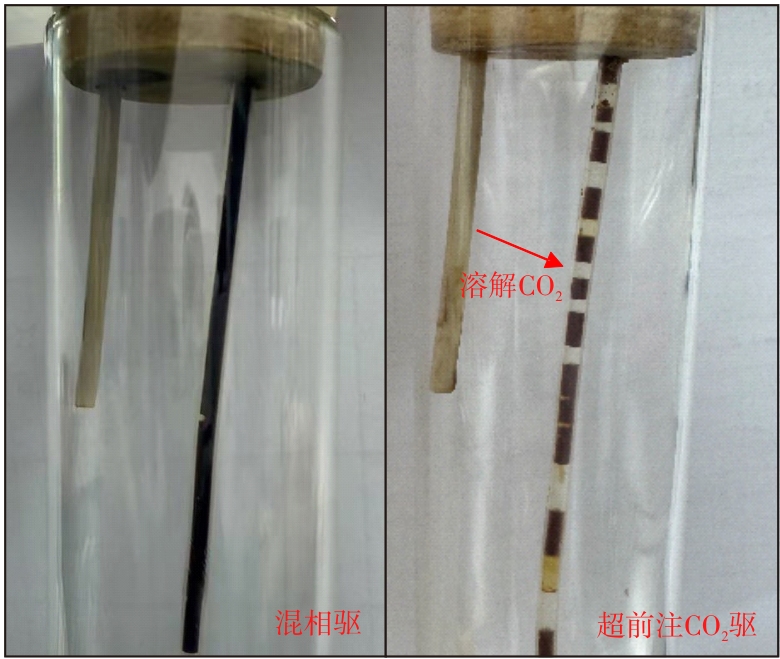
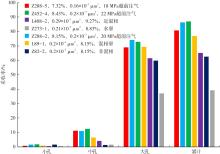
图10
不同注入方式下孔隙采收率"

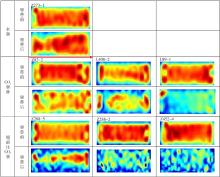
图11
不同注入方式下核磁共振成像结果"

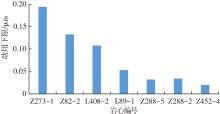
图12
不同注入方式下孔隙动用下限"
| [1] | 贾承造, 郑民, 张永峰. 中国非常规油气资源与勘探开发前景[J]. 石油勘探与开发, 2012, 39(2): 129-136. |
| JIA Chengzao, ZHENG Min, ZHANG Yongfeng. Unconventional hydrocarbon resources in China and the prospect of exploration and development[J]. Petroleum Exploration and Development, 2012, 39(2): 129-136. | |
| [2] | 贾承造, 邹才能, 李建忠, 等. 中国致密油评价标准、主要类型、基本特征及资源前景[J]. 石油学报, 2012, 33(3): 343-350. |
| JIA Chengzao, ZOU Caineng, LI Jianzhong, et al. Assessment criteria, main types, basic features and resource prospects of the tight oil in China[J]. Acta Petrolei Sinica, 2012, 33(3): 343-350. | |
| [3] | 贾承造, 庞雄奇, 宋岩. 全油气系统理论基本原理[J]. 石油勘探与开发, 2024, 51(4): 679-691. |
| JIA Chengzao, PANG Xiongqi, SONG Yan. Basic principles of the whole petroleum system[J]. Petroleum Exploration and Development, 2024, 51(4): 679-691. | |
| [4] | 胡芸冰, 刘燕, 郭英海, 等. 鄂尔多斯盆地南缘上石炭统本溪组泥岩元素地球化学特征及沉积环境启示[J]. 山东科技大学学报(自然科学版), 2022, 41(1): 13-23. |
| HU Yunbing, LIU Yan, GUO Yinghai, et al. Elemental geochemical characteristics of mudstones in Upper Carboniferous Benxi Formation in southern Ordos Basin and their enlightenment to sedimentary environment[J]. Journal of Shandong University of Science and Technology(Natural Science), 2022, 41(1): 13-23. | |
| [5] | 蒲春生, 康少飞, 蒲景阳, 等. 中国致密油藏水平井注水吞吐技术进展与发展趋势[J]. 石油学报, 2023, 44(1): 188-206. |
| PU Chunsheng, KANG Shaofei, PU Jingyang, et al. Progress and development trend of water huff-n-puff technology for horizontal wells in tight oil reservoirs in China[J]. Acta Petrolei Sinica, 2023, 44(1): 188-206. | |
| [6] | 贾承造, 姜林, 赵文. 页岩油气革命与页岩油气、致密油气基础地质理论问题[J]. 石油科学通报, 2023, 8(6): 695-706. |
| JIA Chengzao, JIANG Lin, ZHAO Wen. The shale revolution and basic geological theory problems of shale and tight oil and gas[J]. Petroleum Science Bulletin, 2023, 8(6): 695-706. | |
| [7] | 孙龙德, 邹才能, 贾爱林, 等. 中国致密油气发展特征与方向[J]. 石油勘探与开发, 2019, 46(6): 1015-1026. |
| SUN Longde, ZOU Caineng, JIA Ailin, et al. Development characteristics and orientation of tight oil and gas in China[J]. Petroleum Exploration and Development, 2019, 46(6): 1015-1026. | |
| [8] | 张小银, 詹容若, 段亮, 等. 致密砂岩含油非均质性储层的野外实例三维数字模型和精细解剖:以鄂尔多斯盆地三叠系延长组安沟油砂露头为例[J]. 地质力学学报, 2024, 30(4): 609-621. |
| ZHANG Xiaoying, ZHAN Rongruo, DUAN Liang, et al. 3D digital modelling and detailed anatomy of tight sandstone reservoir outcrop with oil-bearing heterogeneity: A case study of Angou outcrop of Triassic Yanchang Formation in Ordos Basin[J]. Journal of Geomechanics, 2024, 30(4): 609-621. | |
| [9] | 梁钰楷, 陈斌, 曹青. 鄂尔多斯盆地H地区长8段致密砂岩储层成岩演化研究[J]. 重庆科技大学学报(自然科学版), 2025, 27(5):59-69. |
| LIANG Yukai, CHEN Bin, CAO Qing. Study on diagenetic evolution of tight sandstone reservoirs of Chang 8 Member in H Area, Ordos Basin[J]. Journal of Chongqing University of Science and Technology(Natural Science Edition), 2025, 27(5): 59-69. | |
| [10] | 王良军, 岳欣欣, 李连生, 等. 鄂尔多斯盆地旬宜地区三叠系延长组7段致密油储层孔隙发育特征及其主控因素[J]. 石油实验地质, 2024, 46(6): 1135-1144. |
| WANG Liangjun, YUE Xinxin, LI Liansheng, et al. Pore development characteristics and main controlling factors of tight oil reservoir in the seventh member of Triassic Yanchang Formation, Xunyi area, Ordos Basin[J]. Petroleum Geology and Experiment, 2024, 46(6): 1135-1144. | |
| [11] | 张春雨, 陈世加, 朱星丞, 等. 源-储间隔夹层的分类、特征及其对陆相致密储层油气富集的控制作用[J]. 石油学报, 2024, 45(2): 358-373. |
| ZHANG Chunyu, CHEN Shijia, ZHU Xingcheng, et al. Classification and characteristics of source-reservoir interlayer and its controlling effect on oil-gas enrichment in continental tight reservoir[J]. Acta Petrolei Sinica, 2024, 45(2): 358-373. | |
| [12] | 王冠民, 祝新怡, 刘海, 等. 沉积微相在致密砂岩可压裂性分析中的应用: 以鄂尔多斯盆地陇东地区延长组7段为例[J]. 地质力学学报, 2024, 30(6): 893-905. |
| WANG Guanmin, ZHU Xinyi, LIU Hai, et al. The application of sedimentary microfacies on the fracability of tight sandstone reservoir in Chang 7 Member of Longdong area in the Ordos Basin[J]. Journal of Geomechanics, 2024, 30(6): 893-905. | |
| [13] | 康毅力, 田键, 罗平亚, 等. 致密油藏提高采收率技术瓶颈与发展策略[J]. 石油学报, 2020, 41(4): 467-477. |
| KANG Yili, TIAN Jian, LUO Pingya, et al. Technical bottlenecks and development strategies of enhancing recovery for tight oil reservoirs[J]. Acta Petrolei Sinica, 2020, 41(4): 467-477. | |
| [14] | 何登辉, 屈亚光, 徐鹏程, 等. 致密油藏水平井注CO2开发效果评价[J]. 断块油气田, 2024, 31(6): 1047-1054. |
| HE Denghui, QU Yaguang, XU Pengcheng, et al. Evaluation of CO2 injection development effects of horizontal wells in tight reservoirs[J]. Fault-Block Oil & Gas Field, 2024, 31(6): 1047-1054. | |
| [15] | YOU Q, WANG H, ZHANG Y, et al. Experimental study on spontaneous imbibition of recycled fracturing flow-back fluid to enhance oil recovery in low permeability sandstone reservoirs[J]. Journal of Petroleum Science and Engineering, 2018, 166: 375-380. |
| [16] | 孙科, 刘慧卿, 王腾, 等. 致密油藏压裂后衰竭开采单井可采储量预测新方法[J]. 石油学报, 2020, 41(10): 1238-1247. |
| SUN Ke, LIU Huiqing, WANG Teng, et al. A novel method for predicting recoverable reserves of single well through depletion-drive development after fracturing in tight oil reservoirs[J]. Acta Petrolei Sinica, 2020, 41(10): 1238-1247. | |
| [17] | 张志超, 柏明星, 杜思宇. 页岩油藏注CO2驱孔隙动用特征研究[J]. 油气藏评价与开发, 2024, 14(1): 42-47. |
| ZHANG Zhichao, BAI Mingxing, DU Siyu. Characteristics of pore dynamics in shale reservoirs by CO2 flooding[J]. Petroleum Reservoir Evaluation and Development, 2024, 14(1): 42-47. | |
| [18] | 石彦, 谢俊辉, 郭小婷, 等. 新疆油田中深层稠油CO2驱/吞吐实验研究[J]. 油气藏评价与开发, 2024, 14(1): 76-82. |
| SHI Yan, XIE Junhui, GUO Xiaoting, et al. Experimental study on CO2 flooding/huff and puff of medium-deep heavy oil in Xinjiang Oilfield[J]. Petroleum Reservoir Evaluation and Development, 2024, 14(1): 76-82. | |
| [19] | 姚红生, 邱伟生, 周德华, 等. 苏北盆地复杂断块油藏CCUS-EOR关键技术与实践[J]. 天然气工业, 2025, 45(9): 212-222. |
| YAO Hongsheng, QIU Weisheng, ZHOU Dehua, et al. Key technologies and practices of CCUS-EOR in complex fault-block reservoirs in the Subei Basin[J]. Natural Gas Industry, 2025, 45(9): 212-222. | |
| [20] | KUMAR N, AUGUSTO SAMPAIO M, OJHA K, et al. Fundamental aspects, mechanisms and emerging possibilities of CO2 miscible flooding in enhanced oil recovery: A review[J]. Fuel, 2022, 330: 125633. |
| [21] | YU H, XU H, FU W, et al. Extraction of shale oil with supercritical CO2: Effects of number of fractures and injection pressure[J]. Fuel, 2021, 285: 118977. |
| [22] | REN J, XIAO W, PU W, et al. Characterization of CO2 miscible/immiscible flooding in low-permeability sandstones using NMR and the VOF simulation method[J]. Energy, 2024, 297: 131211. |
| [23] | CAI M, SU Y, HAO Y, et al. Monitoring oil displacement and CO2 trapping in low-permeability media using NMR: A comparison of miscible and immiscible flooding[J]. Fuel, 2021, 305: 121606. |
| [24] | WEI B, ZHANG X, WU R, et al. Pore-scale monitoring of CO2 and N2 flooding processes in a tight formation under reservoir conditions using nuclear magnetic resonance (NMR): A case study[J]. Fuel, 2019, 246: 34-41. |
| [25] | ZHANG T, MING T, YUAN L, et al. Experimental study on stress-dependent multiphase flow in ultra-low permeability sandstone during CO2 flooding based on LF-NMR[J]. Energy, 2023, 278: 127874. |
| [26] | ZHANG T, TANG M, MA Y, et al. Experimental study on CO2/Water flooding mechanism and oil recovery in ultralow - Permeability sandstone with online LF-NMR[J]. Energy, 2022, 252: 123948. |
| [27] | 金祥纯, 杜猛, 郝春联, 等. 鄂尔多斯盆地长6段储层特征及CO2驱提高采收率实验研究[J]. 油气地质与采收率, 2025, 32(1): 125-137. |
| JIN Xiangchun, DU Meng, HAO Chunlian, et al. Characteristics and CO2 flooding enhanced oil recovery experiments of Chang 6 in Ordos Basin[J]. Petroleum Geology and Recovery Efficiency, 2025, 32(1): 125-137. | |
| [28] | HAWTHORNE S B, GORECKI C D, SORENSEN J A, et al. Hydrocarbon mobilization mechanisms from Upper, Middle and Lower Bakken Reservoir rocks exposed to CO2 [C]// Paper SPE-167200-MS presented at the SPE Unconventional Resources Conference Canada, Calgary, Alberta, Canada, November 2013. |
| [29] | DU D J, PU W F, JIN F Y, et al. Experimental study on EOR by CO2 huff-n-puff and CO2 flooding in tight conglomerate reservoirs with pore scale[J]. Chemical Engineering Research and Design, 2020, 156: 425-432. |
| [30] | XIAO Q, LI J, DU M, et al. Experimental study on CO2 huff and puff in the Daqing Fuyu tight oil reservoir with online NMR[J]. Heliyon, 2024, 10(22): e40183. |
| [31] | 高玉巧, 郑永旺, 张莉娜, 等. 南川常压页岩气田注CO2吞吐矿场实践[J]. 石油实验地质, 2025, 47(2): 395-405. |
| GAO Yuqiao, ZHENG Yongwang, ZHANG Lina, et al. Field tests of CO2 huff-n-puff technology in Nanchuan normal-pressure shale gas field[J]. Petroleum Geology & Experiment, 2025, 47(2): 395-405. | |
| [32] | 娄毅, 杨胜来, 章星, 等. 低渗透油藏二氧化碳混相驱超前注气实验研究: 以吉林油田黑79区块为例[J]. 油气地质与采收率, 2012, 19(5): 78-80. |
| LOU Yi, YANG Shenglai, ZHANG Xing, et al. Experimental study on advanced gas injection by carbon dioxide miscible flooding in low permeability reservoirs: Taking Hei 79 block in Jilin Oilfield as an example[J]. Petroleum Geology and Recovery Efficiency, 2012, 19(5): 78-80. | |
| [33] | 肖文联, 陈神根, 易勇刚, 等. 压裂液辅助二氧化碳吞吐提高页岩油采收率核磁共振实验[J]. 新疆石油天然气, 2024, 20(3): 83-90. |
| XIAO Wenlian, CHEN Shengen, YI Yonggang, et al. NMR-based experiments of fracturing fluid assisted CO2 huff-n-puff for enhancing shale oil recovery[J]. Xinjiang Oil & Gas, 2024, 20(3): 83-90. | |
| [34] | 中华人民共和国国家质量监督检验检疫总局中国国家标准化管理委员会. 岩心分析方法: [S]. 北京: 中国标准出版社, 2013. |
| Standardization Administration of the People’s Republic of China. Practices for core analysis: [S]. Beijing: Standards Press of China, 2013. | |
| [35] | 国家能源局. 最低混相压力实验测定方法-细管法: [S]. 北京: 石油工业出版社, 2016. |
| National Energy Bureau of the People’s Republic of China. Measurement method for minimum miscibility pressure by slim tube test: [S]. Beijing: Petroleum Industry Press, 2016. | |
| [36] | XIAO W, REN J, PU W, et al. Laboratory tests and field pilot of foam-assisted deoxidized-air flooding in a low-permeability sandstone reservoir[J]. Fuel, 2023, 352: 129150. |
| [37] | XIAO W, YANG Y, BERNABÉ Y, et al. Experimental study on EOR in shale oil cores during associated gasflooding: A case study from Yanchang Formation, Ordos Basin[J]. SPE Journal, 2023, 28(5): 2329-2345. |
| [38] | YANG Y, XIAO W, BERNABÉ Y, et al. Effect of pore structure and injection pressure on waterflooding in tight oil sandstone cores using NMR technique and pore network simulation[J]. Journal of Petroleum Science and Engineering, 2022, 217: 110886. |
| [39] | 白振强, 王清华, 宋文波. 基于核磁共振的天然气驱储集层孔喉动用下限[J]. 新疆石油地质, 2023, 44(1): 58-63. |
| BAI Zhenqiang, WANG Qinghua, SONG Wenbo. Lower limits of pore throat producing in natural gas drive reservoirs based on nuclear magnetic resonance[J]. Xinjiang Petroleum Geology, 2023, 44(1): 58-63. | |
| [40] | 王亚, 葛丽珍, 路研, 等. 基于核磁共振驱替实验的低渗透砂岩流体可动性及剩余油赋存特征研究[J]. 油气地质与采收率, 2023, 30(6): 22-31. |
| WANG Ya, GE Lizhen, LU Yan, et al. Study on fluid mobility and occurrence characteristics of remaining oil in low-permeability sandstone reservoirs based on nuclear magnetic resonance displacement experiments[J]. Petroleum Geology and Recovery Efficiency, 2023, 30(6): 22-31. | |
| [41] | 翟成, 孙勇, 范宜仁, 等. 低场核磁共振技术在煤孔隙结构精准表征中的应用与展望[J]. 煤炭学报, 2022, 47(2): 828-848. |
| ZHAI Cheng, SUN Yong, FAN Yiren, et al. Application and prospect of low-field nuclear magnetic resonance technology in accurate characterization of coal pore structure[J]. Journal of China Coal Society, 2022, 47(2): 828-848. | |
| [42] | 李爱芬, 任晓霞, 王桂娟, 等. 核磁共振研究致密砂岩孔隙结构的方法及应用[J]. 中国石油大学学报(自然科学版), 2015, 39(6): 92-98. |
| LI Aifen, REN Xiaoxia, WANG Guijuan, et al. Characterization of pore structure of low permeability reservoirs using a nuclear magnetic resonance method[J]. Journal of China University of Petroleum (Natural Science Edition), 2015, 39(6): 92-98. | |
| [43] | 李楚雄, 申宝剑, 卢龙飞, 等. 松辽盆地沙河子组页岩孔隙结构表征: 基于低场核磁共振技术[J]. 油气藏评价与开发, 2022, 12(3): 468-476. |
| LI Chuxiong, SHEN Baojian, LU Longfei, et al. Pore structure characterization of Shahezi Formation shale in Songliao Basin: Based on low-field nuclear magnetic resonance technology[J]. Petroleum Reservoir Evaluation and Development, 2022, 12(3): 468-476. | |
| [44] | NGUYEN P, CAREY J W, VISWANATHAN H S, et al. Effectiveness of supercritical-CO2 and N2 huff-and-puff methods of enhanced oil recovery in shale fracture networks using microfluidic experiments[J]. Applied Energy, 2018, 230: 160-174. |
| [45] | 姚红生, 高玉巧, 郑永旺, 等. CO2快速吞吐提高页岩油采收率现场试验[J]. 天然气工业, 2024, 44(3): 10-19. |
| YAO Hongsheng, GAO Yuqiao, ZHENG Yongwang, et al. Field tests and effect of CO2 rapid huff-n-puff to enhance shale oil recovery[J]. Natural Gas Industry, 2024, 44(3): 10-19. | |
| [46] | SIAGIAN U W R, GRIGG R B. The extraction of hydrocarbons from crude oil by high pressure CO2 [C]// Paper SPE-39684-MS presented at the SPE/DOE Improved Oil Recovery Symposium, Tulsa, Oklahoma, April 1998. |
| [47] | 西南石油大学. 一种新的可动流体动用下限计算方法: 202210924432.6[P]. 2022-10-04. |
| Southwest Petroleum University. A new method for calculating the lower limit of mobile fluid utilization: 202210924432.6[P]. 2022-10-04. | |
| [48] | 杨勇, 张世明, 曹小朋, 等. 胜利油田CO2高压混相驱油与封存理论技术及矿场实践[J]. 石油勘探与开发, 2024, 51(5): 1080-1091. |
| YANG Yong, ZHANG Shiming, CAO Xiaopeng, et al. CO2 high-pressure miscible flooding and storage technology and its application in Shengli Oilfield, East China[J]. Petroleum Exploration and Development, 2024, 51(5): 1080-1091. |
| [1] | 章智博, 王典林, 张雯, 张潇, 瞿博超, 李亮, 毛润雪, SAGYNDIKOV Marat, 魏兵. 缝洞型油藏凝胶-无机颗粒协同筑坝控水增油方法研究 [J]. 油气藏评价与开发, 2026, 16(1): 174-185. |
| [2] | 赵梓寒, 彭先, 王梦雨, 周源, 李隆新, 罗瑜, 徐世昊, 汪永朝, 任运波, 熊伟, 赵玉龙, 曹成. 碳酸盐岩气藏注CO2提高采收率与埋存潜力评价指标研究 [J]. 油气藏评价与开发, 2026, 16(1): 74-83. |
| [3] | 齐怀彦, 杨国斌, 朱亚娣, 邓茗心, 耿少阳, 田伟超. 基于核磁共振与孔隙尺度模拟的致密油藏渗吸机理研究 [J]. 油气藏评价与开发, 2025, 15(5): 824-833. |
| [4] | 陈军, 王海妹, 陈曦, 汤勇, 唐良睿, 斯容, 王慧珺, 黄显著, 冷冰. 页岩油藏CO2吞吐增油及埋存主控因素研究 [J]. 油气藏评价与开发, 2025, 15(4): 537-544. |
| [5] | 汤勇, 袁晨刚, 何佑伟, 黄亮, 于福吉, 梁秀丽. 注入介质和注入方式对致密油提高采收程度影响实验研究——以大庆扶余储层为例 [J]. 油气藏评价与开发, 2025, 15(4): 554-563. |
| [6] | 周旭, 马超, 刘超, 唐嘉婧, 刘怡麟. 页岩油含油饱和度对渗吸采收率的影响规律研究 [J]. 油气藏评价与开发, 2025, 15(1): 73-78. |
| [7] | 朱浩楠, 曹成, 张烈辉, 赵玉龙, 彭先, 赵梓寒, 陈星宇. CO2驱气提高采收率机理及发展方向 [J]. 油气藏评价与开发, 2024, 14(6): 975-980. |
| [8] | 张菲, 李秋政, 蒋阿明, 邓辞. 高邮凹陷花庄地区页岩油二维核磁测井评价应用 [J]. 油气藏评价与开发, 2024, 14(5): 707-713. |
| [9] | 张益, 宁崇如, 陈亚舟, 姬玉龙, 赵立阳, 王爱方, 黄晶晶, 于凯怡. 致密油藏大排量注水吞吐技术及参数优化研究 [J]. 油气藏评价与开发, 2024, 14(5): 727-733. |
| [10] | 段宏亮, 谌廷姗, 孙敬, 洪亚飞, 李思辰, 卢显荣, 张正阳. 苏北盆地页岩油基质与裂缝流动能力实验研究 [J]. 油气藏评价与开发, 2024, 14(3): 333-342. |
| [11] | 唐慧莹, 第凯翔, 张烈辉, 郭晶晶, 张涛, 田野, 赵玉龙. 基于核磁共振信号标定法的致密油藏渗吸实验研究 [J]. 油气藏评价与开发, 2024, 14(3): 402-413. |
| [12] | 许国晨, 杜娟, 祝铭辰. 苏北盆地页岩油注水吞吐增产实践与认识 [J]. 油气藏评价与开发, 2024, 14(2): 256-266. |
| [13] | 张连锋, 张伊琳, 郭欢欢, 李洪生, 李俊杰, 梁丽梅, 李文静, 胡书奎. 近废弃油藏延长生命周期开发调整技术 [J]. 油气藏评价与开发, 2024, 14(1): 124-132. |
| [14] | 唐建东, 王智林, 葛政俊. 苏北盆地江苏油田CO2驱油技术进展及应用 [J]. 油气藏评价与开发, 2024, 14(1): 18-25. |
| [15] | 张志超, 柏明星, 杜思宇. 页岩油藏注CO2驱孔隙动用特征研究 [J]. 油气藏评价与开发, 2024, 14(1): 42-47. |
|
||
