
Petroleum Reservoir Evaluation and Development ›› 2026, Vol. 16 ›› Issue (1): 52-60.doi: 10.13809/j.cnki.cn32-1825/te.2025248
• Methodological Theory • Previous Articles Next Articles
CHEN Qiuyu1,2,3( ), ZHAO Zhongcong1,2,3(), LI Daming4, ZHAO Xiaolong5, ZHOU Pengcheng6, XU Depei1,2,3, SUN Xiaohui1,2,3, HOU Yanxin1,2,3, HUA Changjun1,2,3
Received:2025-05-26
Online:2026-01-06
Published:2026-01-26
CLC Number:
CHEN Qiuyu,ZHAO Zhongcong,LI Daming, et al. Study on effectiveness of supercritical CO2 on pore enlargement and permeability enhancement in deep ultra-low-permeability volcanic reservoirs[J]. Petroleum Reservoir Evaluation and Development, 2026, 16(1): 52-60.

Table 1
Basic information of cores"
| 岩心名称 | 地层深度/m | 长度/cm | 直径/cm | 干重/g | 初始气测渗透率/10-3 μm2 |
|---|---|---|---|---|---|
| T101 | 3 967~4 654 | 4.08 | 2.530 | 53.627 | 0.001 822 |
| T102 | 4.63 | 2.540 | 61.254 | 0.001 203 | |
| T103 | 4.65 | 2.530 | 61.594 | 0.004 136 | |
| F101 | 4.80 | 2.530 | 66.325 | 0.003 679 | |
| F102 | 4.20 | 2.528 | 58.628 | 0.002 409 | |
| F103 | 4.52 | 2.530 | 60.827 | 0.003 264 |
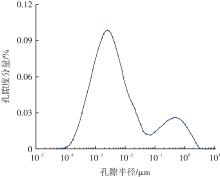
Fig.1
Relationship between pore radius distribution and porosity of T101 core"
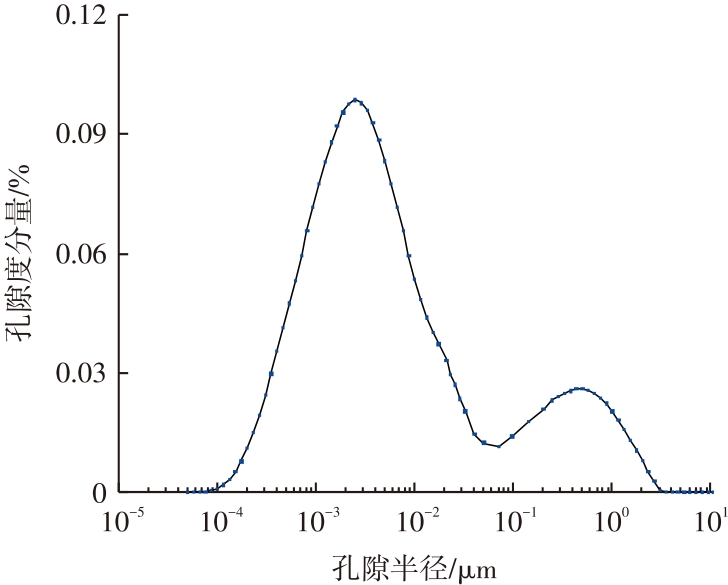
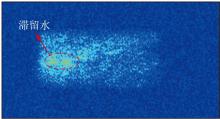
Fig.2
NMR image of residual water in core"
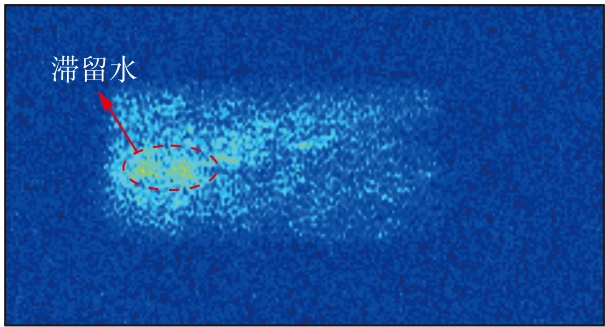
Table 2
Changes in mineral content"
| 阶段 | 黏土矿物 | 菱铁矿 | 硬石膏 | 铁白云石 | 钾长石 | 石英 | 方解石 | 斜长石 |
|---|---|---|---|---|---|---|---|---|
| 处理前 | 2 | 1 | 0 | 0 | 10 | 16 | 32 | 39 |
| 处理3 d | 3 | 0 | 1 | 1 | 10 | 16 | 31 | 38 |
| 处理5 d | 3 | 0 | 1 | 1 | 10 | 17 | 31 | 37 |
| 处理10 d | 3 | 0 | 1 | 1 | 10 | 18 | 30 | 37 |
| 处理15 d | 4 | 0 | 1 | 1 | 10 | 18 | 30 | 36 |

Fig.3
Surface analysis of volcanic rock elements before SC-CO2 treatment"

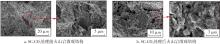
Fig.4
Comparison of volcanic rock microstructure before and after SC-CO2 treatment"


Fig.5
Surface analysis of volcanic rock elements after SC-CO2 treatment"

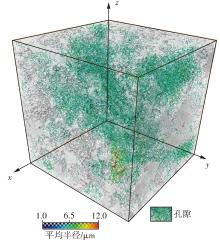
Fig.6
Three-dimensional digital core porosity before SC-CO2 treatment"
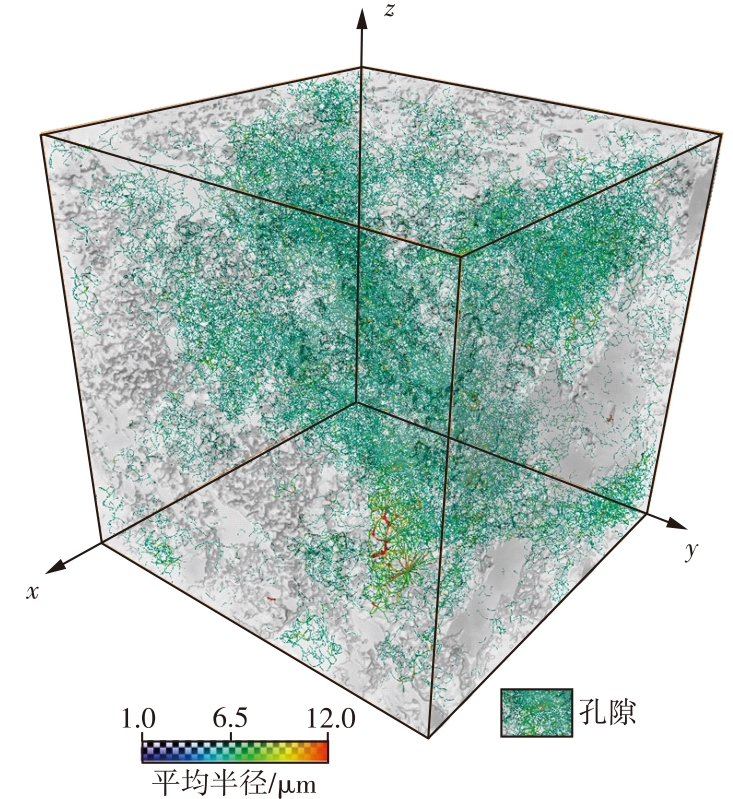
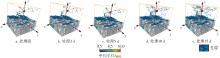
Fig.7
Comparison of effective seepage paths by maximal ball algorithm before and after SC-CO2 treatment"
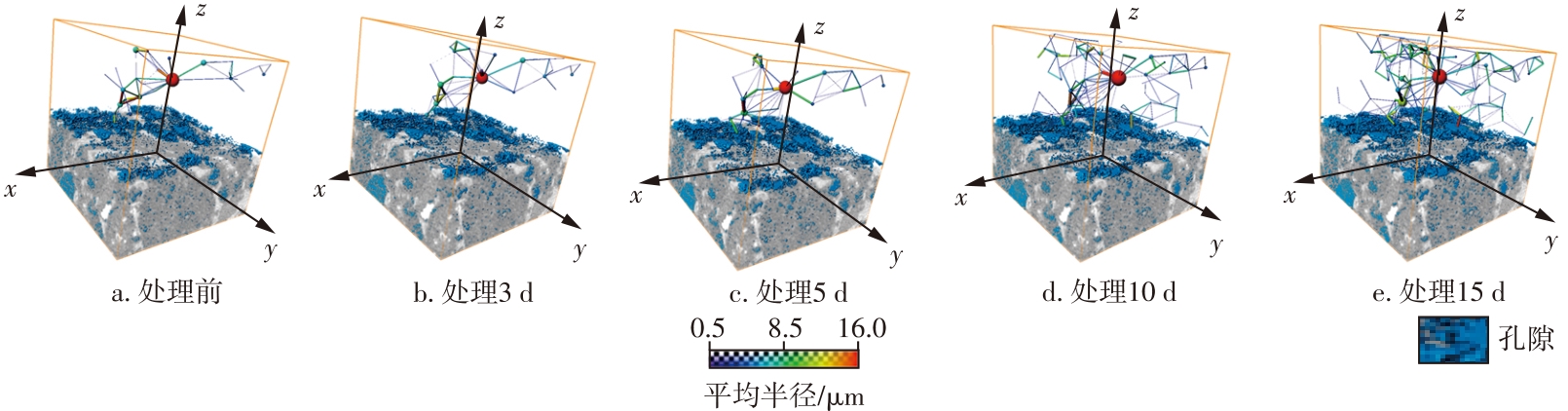
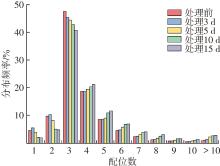
Fig.8
Pore coordination numbers of core before and after SC-CO2 treatment"
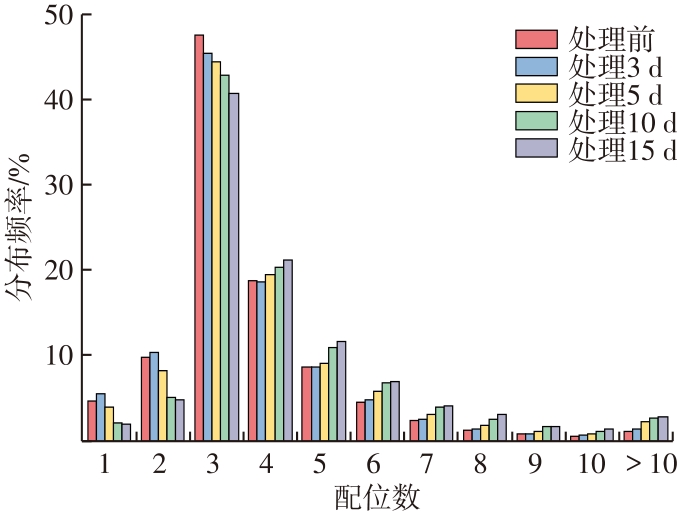
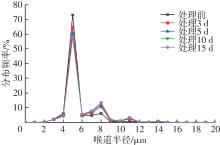
Fig.9
Distribution of effective throat radius of core before and after SC-CO2 treatment"
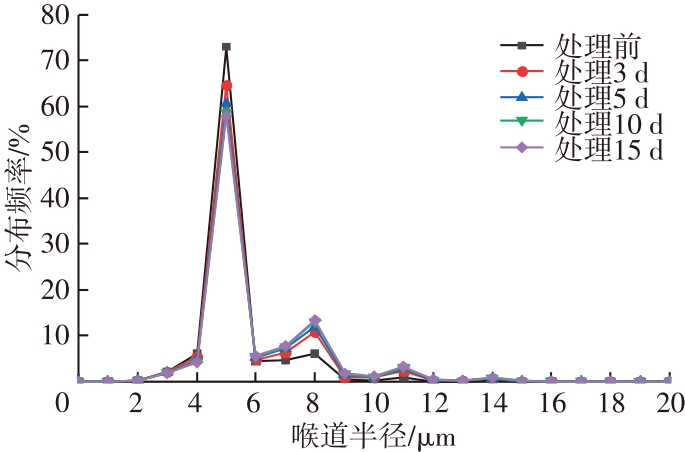
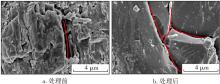
Fig.10
Microscopic morphology of fractures before and after SC-CO2 treatment"
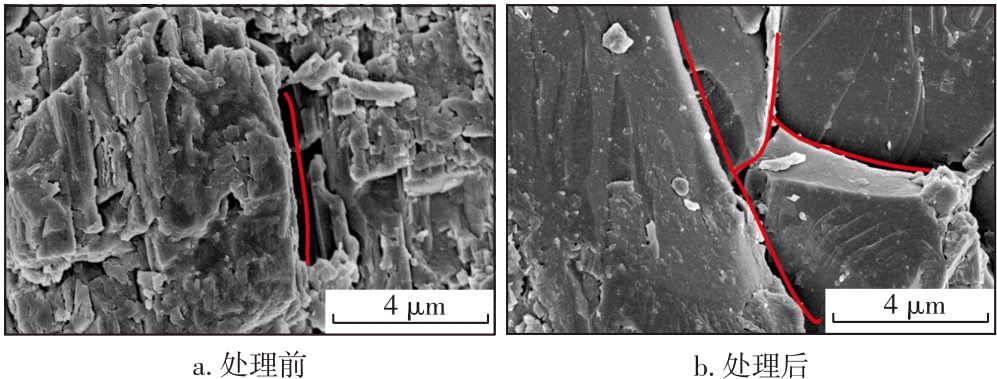
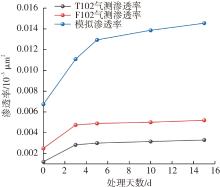
Fig.11
Comparison of permeability for different days before and after SC-CO2 treatment"
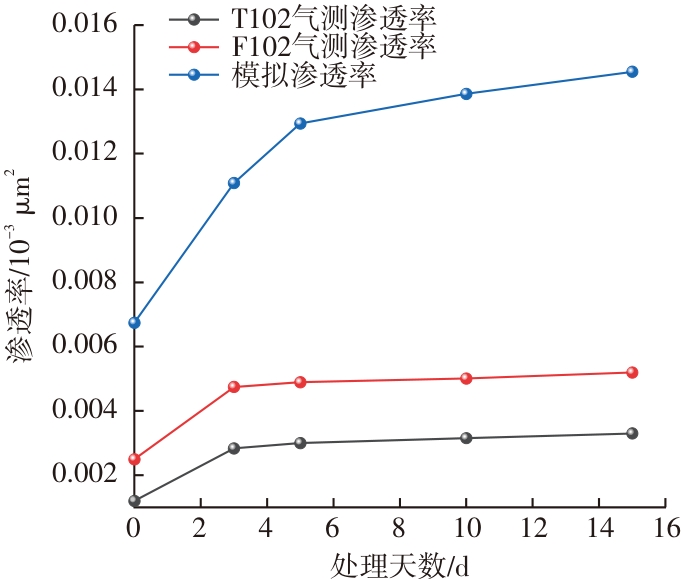
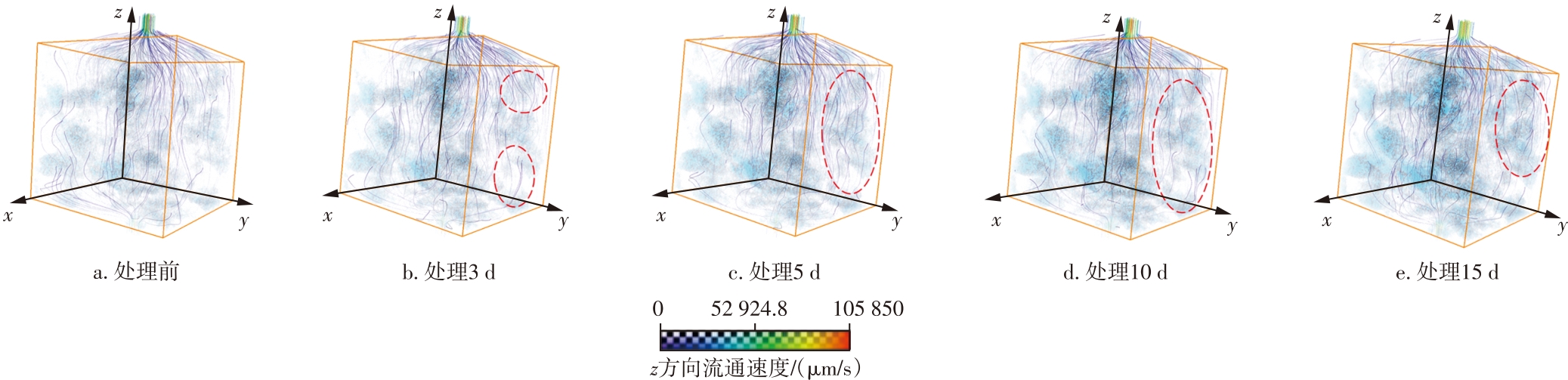
Fig.12
Simulated seepage map for different days before and after SC-CO2 treatment"
| [1] | 王光付, 廖荣凤, 李江龙, 等. 中国石化低渗透油藏开发状况及前景[J]. 油气地质与采收率, 2007, 14(3): 84-89. |
| WANG Guangfu, LIAO Rongfeng, LI Jianglong, et al. The development situation and future of low permeability oil reservoirs of SINOPEC[J]. Petroleum Geology and Recovery Efficiency, 2007, 14(3): 84-89. | |
| [2] | 张守鹏, 方正伟. 低渗透砂岩储集层渗透性伤害的微观机理与改造技术: 以济阳坳陷胜利油田为例[J]. 石油勘探与开发, 2020, 47(2): 349-356. |
| ZHANG Shoupeng, FANG Zhengwei. Permeability damage micro-mechanisms and stimulation of low-permeability sandstone reservoirs: A case study from Jiyang Depression, Bohai Bay Basin, China[J]. Petroleum Exploration and Development, 2020, 47(2): 349-356. | |
| [3] | 郭红强, 杜敏, 姚健, 等. 延长低渗透油藏CO2驱油参数优化数值模拟研究[J]. 非常规油气, 2024, 11(1): 78-84. |
| GUO Hongqiang, DU Min, YAO Jian, et al. Numerical simulation study on optimization of CO2 flooding parameters in Yanchang low permeability reservoir[J]. Unconventional Oil & Gas, 2024, 11(1): 78-84. | |
| [4] | 汤瑞佳, 陈龙龙, 江绍静, 等. 低渗透油藏强化CO2/水交替注入驱油效果实验研究[J]. 非常规油气, 2024, 11(4): 70-78. |
| TANG Ruijia, CHEN Longlong, JIANG Shaojing, et al. Experimental study on the effect of enhanced CO2/water alternate flooding in low permeability reservoir[J]. Unconventional Oil & Gas, 2024, 11(4): 70-78. | |
| [5] | 田亚飞, 谢启超, 尚教辉, 等. 考虑启动压力梯度和应力敏感的超低渗透油藏注采参数优化[J]. 非常规油气, 2024, 11(6): 91-99. |
| TIAN Yafei, XIE Qichao, SHANG Jiaohui, et al. Optimization of injection and production parameters for ultra-low permeability reservoirs considering starting pressure gradient and stress sensitivity[J]. Unconventional Oil & Gas, 2024, 11(6): 91-99. | |
| [6] | 聂舟, 陈瑞华, 姜振学, 等. 长宁地区低阻页岩孔隙结构精细表征及分形研究[J]. 非常规油气, 2024, 11(1): 45-55. |
| NIE Zhou, CHEN Ruihua, JIANG Zhenxue, et al. Pore structure characterization and fractal study of low-resistivity shales in Changning area[J]. Unconventional Oil & Gas, 2024, 11(1): 45-55. | |
| [7] | 向敏, 刘星, 李政胤. 鄂尔多斯盆地七里村油田长7段致密储层孔隙结构特征及流体可动性[J]. 非常规油气, 2024, 11(2): 29-36. |
| XIANG Min, LIU Xing, LI Zhengyin. Pore structure characteristics and fluid mobility of tight reservoir in Chang7 Member of Qilicun Oilfield in Ordos Basin[J]. Unconventional Oil & Gas, 2024, 11(2): 29-36. | |
| [8] | 刘文慧, 马啸, 户瑞宁, 等. 海陆相页岩孔隙结构对比研究: 以龙马溪组和芦草沟组为例[J]. 非常规油气, 2024, 11(3): 35-48. |
| LIU Wenhui, MA Xiao, HU Ruining, et al. Comparative study on pore structure of marine and terrestrial shales: A case study of Longmaxi Formation and Lucaogou Formation[J]. Unconventional Oil & Gas, 2024, 11(3): 35-48. | |
| [9] | 阎珍, 任大忠, 王虎, 等. 鄂尔多斯盆地神木地区侏罗系延安组煤层孔隙结构及可动流体饱和度影响因素[J]. 非常规油气, 2024, 11(5): 122-131. |
| YAN Zhen, REN Dazhong, WANG Hu, et al. Factors affecting movable fluid saturation and pore structures of Jurassic Yan’an Formation in the Shenmu area of the Ordos Basin[J]. Unconventional Oil & Gas, 2024, 11(5): 122-131. | |
| [10] | 罗诉舟, 冯兆阳, 郑丽, 等. 低渗含硫气藏开发后期井筒化学解堵工艺: 以磨溪雷一1亚段气藏为例[J]. 天然气勘探与开发, 2024, 47(6): 95-104. |
| LUO Suzhou, FENG Zhaoyang, ZHENG Li, et al. Chemical blockage removal technologies for wellbore in production tail of low-permeability sour gas reservoirs: A case study of T2 l1 1 gas reservoir in Moxi gasfield[J]. Natural Gas Exploration and Development, 2024, 47(6): 95-104. | |
| [11] | 宋宪实. 松南火山岩气藏酸化施工难点分析及技术对策[J]. 化工设计通讯, 2017, 43(1): 72-73. |
| SONG Xianshi. The analysis on construction difficulties of Songnan volcanic gas reservoir’s acidification and technological responses[J]. Chemical Engineering Design Communications, 2017, 43(1): 72-73. | |
| [12] | LI S, WANG Q, ZHANG K, et al. Monitoring of CO2 and CO2 oil-based foam flooding processes in fractured low-permeability cores using nuclear magnetic resonance (NMR)[J]. Fuel, 2020, 263: 116648. |
| [13] | LIU H, GUO P, DU J, et al. Investigating the influence of CO2 injection and reservoir cores on the phase behavior of two low-permeability crude oils: Experimental verification and thermodynamic model development[J]. Fuel, 2019, 239: 701-708. |
| [14] | ZHAO Y, ZHANG Y, LEI X, et al. CO2 flooding enhanced oil recovery evaluated using magnetic resonance imaging technique[J]. Energy, 2020, 203: 117878. |
| [15] | 张志超, 柏明星, 杜思宇. 页岩油藏注CO2驱孔隙动用特征研究[J]. 油气藏评价与开发, 2024, 14(1): 42-47. |
| ZHANG Zhichao, BAI Mingxing, DU Siyu. Characteristics of pore dynamics in shale reservoirs by CO2 flooding[J]. Petroleum Reservoir Evaluation and Development, 2024, 14(1): 42-47. | |
| [16] | 孙宜丽. 注CO2改善河南双河油田低渗储层注水能力机理研究[J]. 油气藏评价与开发, 2024, 14(1): 55-63. |
| SUN Yili. Mechanism of CO2 injection to improve the water injection capacity of low permeability reservoir in Shuanghe Oilfield in Henan[J]. Petroleum Reservoir Evaluation and Development, 2024, 14(1): 55-63. | |
| [17] | 王海柱, 李根生, 贺振国, 等. 超临界CO2岩石致裂机制分析[J]. 岩土力学, 2018, 39(10): 3589-3596. |
| WANG Haizhu, LI Gensheng, HE Zhenguo, et al. Analysis of mechanisms of supercritical CO2 fracturing[J]. Rock and Soil Mechanics, 2018, 39(10): 3589-3596. | |
| [18] | AN Q, ZHANG Q, LI X, et al. Accounting for dynamic alteration effect of SC-CO2 to assess role of pore structure on rock strength: A comparative study[J]. Energy, 2022, 260: 125125. |
| [19] | 李四海, 马新仿, 张士诚, 等. CO2-水-岩作用对致密砂岩性质与裂缝扩展的影响[J]. 新疆石油地质, 2019, 40(3): 312-318. |
| LI Sihai, MA Xinfang, ZHANG Shicheng, et al. Experimental investigation on the influence of CO2-brine-rock interaction on tight sandstone properties and fracture propagation[J]. Xinjiang Petroleum Geology, 2019, 40(3): 312-318. | |
| [20] | YANG B, WANG H, WANG B, et al. Effect of supercritical CO2-water/brine-rock interaction on microstructures and mechanical properties of tight sandstone[J]. Transport in Porous Media, 2023, 149(1): 87-115. |
| [21] | 张慧, 宋土顺, 刘立, 等. 酸性流体作用下斜长石的稳定性[J]. 世界地质, 2014, 33(3): 535-542. |
| ZHANG Hui, SONG Tushun, LIU Li, et al. Stability of plagioclase under acidic fluid action[J]. Global Geology, 2014, 33(3): 535-542. | |
| [22] | 赵海玲, 王成, 刘振文, 等. 火山岩储层斜长石选择性溶蚀的岩石学特征和热力学条件[J]. 地质通报, 2009, 28(4): 412-419. |
| ZHAO Hailing, WANG Cheng, LIU Zhenwen, et al. Characteristics of petrology and thermodynamics of selective dissolution of plagioclase in volcanic reservoir rocks[J]. Geological Bulletin of China, 2009, 28(4): 412-419. | |
| [23] | 王香增, 孙晓, 罗攀, 等. 非常规油气CO2压裂技术进展及应用实践[J]. 岩性油气藏, 2019, 31(2): 1-7. |
| WANG Xiangzeng, SUN Xiao, LUO Pan, et al. Progress and application of CO2 fracturing technology for unconventional oil and gas[J]. Lithologic Reservoirs, 2019, 31(2): 1-7. | |
| [24] | 吕兆兰. 超临界二氧化碳在页岩黏土矿物中吸附行为的分子模拟研究[D]. 北京: 中国石油大学(北京), 2020. |
| Zhaolan LYU. Molecular simulation study of supercritical CO2 adsorption on clay minerals in shale[D]. Beijing: China University of Petroleum (Beijing), 2020. | |
| [25] | 李一波, 陈耀旺, 赵金洲, 等. 超临界二氧化碳与页岩相互作用机制[J]. 石油与天然气地质, 2024, 45(4): 1180-1194. |
| LI Yibo, CHEN Yaowang, ZHAO Jinzhou, et al. Interaction mechanism between supercritical carbon dioxide and shale[J]. Oil & Gas Geology, 2024, 45(4): 1180-1194. | |
| [26] | 李鹏华, 李兆敏, 李宾飞, 等. 封闭油藏注气增能降粘提高采收率研究[J]. 石油化工高等学校学报, 2010, 23(4): 56-59. |
| LI Penghua, LI Zhaomin, LI Binfei, et al. Enhancing bounded reservoir oil recovery by injecting gas to increase energy and decrease viscosity[J]. Journal of Petrochemical Universities, 2010, 23(4): 56-59. | |
| [27] | 刘思雨, 杨国栋, 黄冕, 等. 人工裂缝参数对CO2-ESGR中CO2封存和CH4开采的影响[J]. 石油与天然气化工, 2024, 53(2): 94-100. |
| LIU Siyu, YANG Guodong, HUANG Mian, et al. Effects of artificial fracture parameters on CO2 sequestration and CH4 production in CO2-ESGR[J]. Chemical Engineering of Oil & Gas, 2024, 53(2): 94-100. | |
| [28] | 朱宏跃, 银建中. 超临界CO2技术在能源领域的若干应用[J]. 应用科技, 2019, 46(6): 85-91. |
| ZHU Hongyue, YIN Jianzhong. Some applications of supercritical CO2 technology in energy field[J]. Applied Science and Technology, 2019, 46(6): 85-91. |
| [1] | SONG Xuemei, ZHANG Kun, DONG Liang, MA Mengya, LIU Huihu, XU Hongjie, WANG Zhi. Evolution and fractal characteristics of pore structure in coals of different ranks under supercritical CO2-H2O [J]. Petroleum Reservoir Evaluation and Development, 2025, 15(6): 995-1006. |
| [2] | KONG Debin, YANG Xingxing, ZHANG Ke, CHENG Yaoze, GAO Jiahao, LI Ao. Study on interphase mass transfer under multi-cycle and single-cycle multi-stage pressure conditions during reservoir conversion to gas storage [J]. Petroleum Reservoir Evaluation and Development, 2025, 15(6): 1130-1138. |
| [3] | WANG Yanwei, LIN Lifei, WANG Hengli. Dynamic prediction of whole CO2 flooding development process in low permeability reservoirs [J]. Petroleum Reservoir Evaluation and Development, 2025, 15(4): 664-671. |
| [4] | WU Xiao, LIU Runchang. Variation characteristics of physical properties and pore-throat structure of carbonate rocks under the influence of CO2 [J]. Petroleum Reservoir Evaluation and Development, 2025, 15(4): 571-578. |
| [5] | ZHANG Chao, ZHU Pengyu, HUANG Tianjing, YAN Changhao, LIU Jie, WANG Bo, ZHANG Bin, ZHANG Yi. Study on the influence of CO2-water-rock reactions under reservoir conditions on geochemical properties of sandstone reservoirs [J]. Petroleum Reservoir Evaluation and Development, 2025, 15(4): 545-553. |
| [6] | CAO Hui, ZHANG Guoqing, XU Li, LI Zhexiang, WANG Haicheng, ZHAO Changyang, FEI Ying. Characteristics and favorable area optimization of ultra-deep high-pressure basement reservoirs: A case study of Kun 2 block in Kunteyi gas reservoir, Qaidam Basin [J]. Petroleum Reservoir Evaluation and Development, 2025, 15(3): 425-433. |
| [7] | ZHANG Zhichao, BAI Mingxing, DU Siyu. Characteristics of pore dynamics in shale reservoirs by CO2 flooding [J]. Petroleum Reservoir Evaluation and Development, 2024, 14(1): 42-47. |
| [8] | DONG Lifei, DONG Wenzhuo, ZHANG Qi, ZHONG Pinzhi, WANG Miao, YU Bo, WEI Haiyu, YANG Chao. Optimal prediction method for CO2 solubility in saline aquifers [J]. Petroleum Reservoir Evaluation and Development, 2024, 14(1): 35-41. |
| [9] | LI Jianshan, GAO Hao, YAN Changhao, WANG Shitou, WANG Liangliang. Molecular dynamics simulation on interaction mechanisms of crude oil and CO2 [J]. Petroleum Reservoir Evaluation and Development, 2024, 14(1): 26-34. |
| [10] | LI Ying, MA Hansong, LI Haitao, GANZER Leonhard, TANG Zheng, LI Ke, LUO Hongwei. Dissolution of supercritical CO2 on carbonate reservoirs [J]. Petroleum Reservoir Evaluation and Development, 2023, 13(3): 288-295. |
| [11] | LIAO Songlin,XIA Yang,CUI Yinan,LIU Fangzhi,CAO Shengjiang,TANG Yong. Variation of crude oil properties with multi-cycle CO2 huff-n-puff of horizontal wells in ultra-low permeability reservoir [J]. Petroleum Reservoir Evaluation and Development, 2022, 12(5): 784-793. |
| [12] | HU Haisheng,GAO Yang,SHAN Jiangtao,LEI Xianmei,ZHANG Yulong,ZHANG Guangchao,YE Zhongbin. Experimental researches on factors influencing supercritical CO2 extraction effect of crude oil from tight sandy conglomerate [J]. Petroleum Reservoir Evaluation and Development, 2021, 11(6): 845-851. |
| [13] | WANG Yingwei,WU Shunwei,QIN Jianhua,YE Yiping,GAO Yang,ZHANG Jing. Effects of supercritical CO2 immersion on permeability of sandy conglomerate reservoir with different clay mineral content in Mahu [J]. Petroleum Reservoir Evaluation and Development, 2021, 11(6): 837-844. |
| [14] | CAO Xulong, LYU Guangzhong, WANG Jie, ZHANG Dong, REN Min. Present situation and further research direction of CO2 flooding technology in Shengli Oilfield [J]. Reservoir Evaluation and Development, 2020, 10(3): 51-59. |
| [15] | LI Shilun,SUN Lei,CHEN Zuhua,LI Jian,TANG Yong,PAN Yi. Further discussion on reservoir engineering concept and development mode of CO2 flooding-EOR technology [J]. Reservoir Evaluation and Development, 2020, 10(3): 1-14. |
|
||
