
Petroleum Reservoir Evaluation and Development ›› 2026, Vol. 16 ›› Issue (1): 216-224.doi: 10.13809/j.cnki.cn32-1825/te.2024472
• Comprehensive Research • Previous Articles
ZHENG Hua( ), SONG Xinfei, CHAI Qiuhui, JIANG Yong, ZHAO Yujia, GONG Min, LIU Qingshun
Received:2024-10-22
Online:2026-01-06
Published:2026-01-26
CLC Number:
ZHENG Hua,SONG Xinfei,CHAI Qiuhui, et al. Characteristics and development model of buried hill reservoirs covered by deep metamorphic rocks in Bohai Sea: A case study of Bozhong A oilfield[J]. Petroleum Reservoir Evaluation and Development, 2026, 16(1): 216-224.
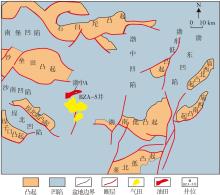
Fig.1
Structural location of Bozhong A oilfield"
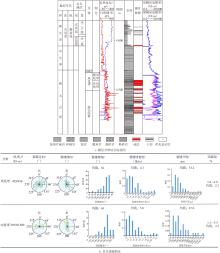
Fig.2
Zoning and fracture characteristics of buried hill in well BZA-5, Bozhong A oilfield"
Fig.3
Prediction of fracture sweet spots in weathered zone based on seismic fusion attributes in Bozhong A oilfield (extraction window of 0-60 ms below Tg8)"
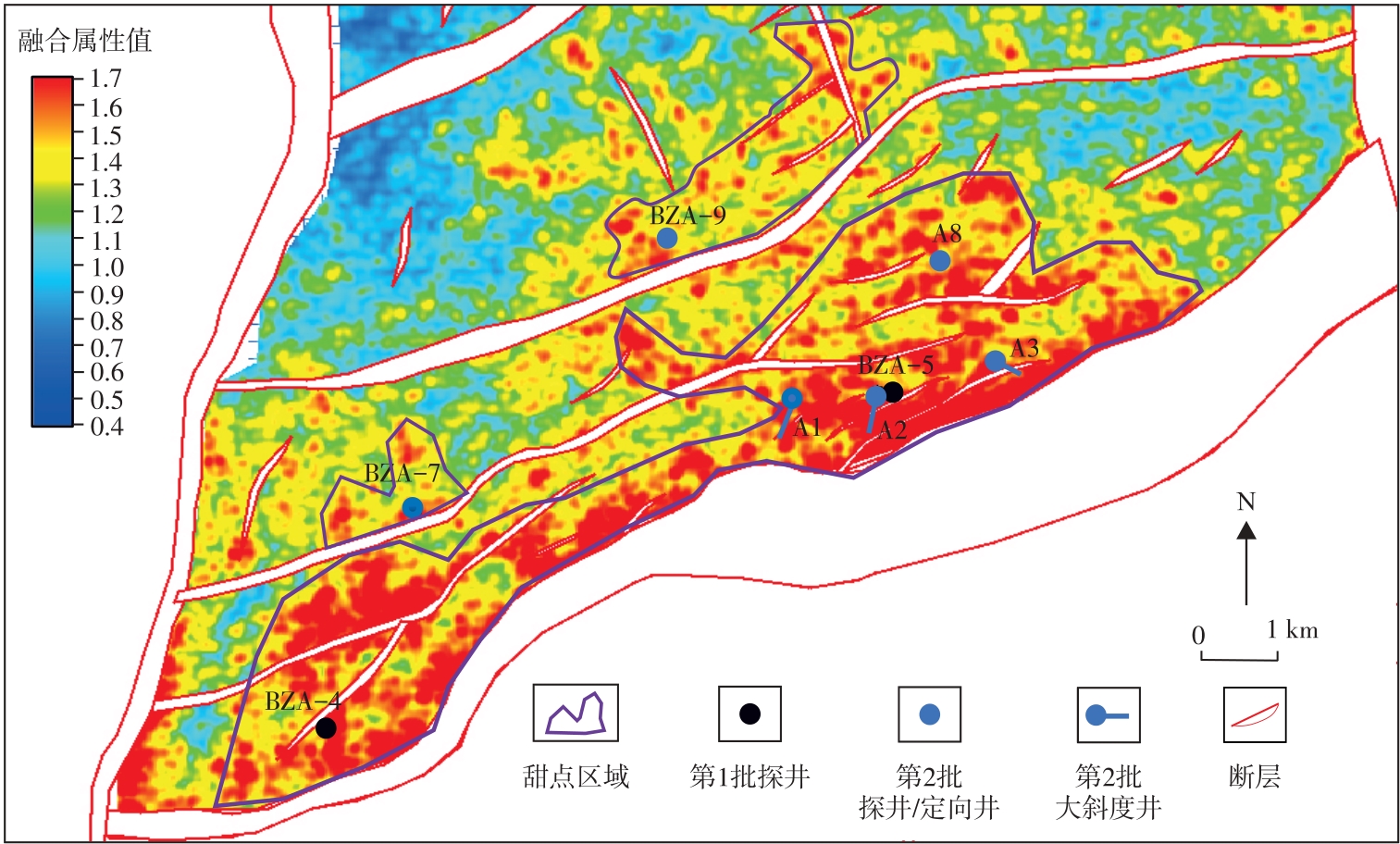
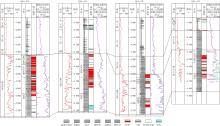
Fig.4
Profiles of deep buried hill across wells BZA-2, BZA-4, BZA-7, and BZA-5 in Bozhong A oilfield"

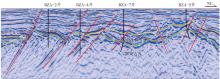
Fig.5
Seismic profile of deep buried hill in Bozhong A oilfield"
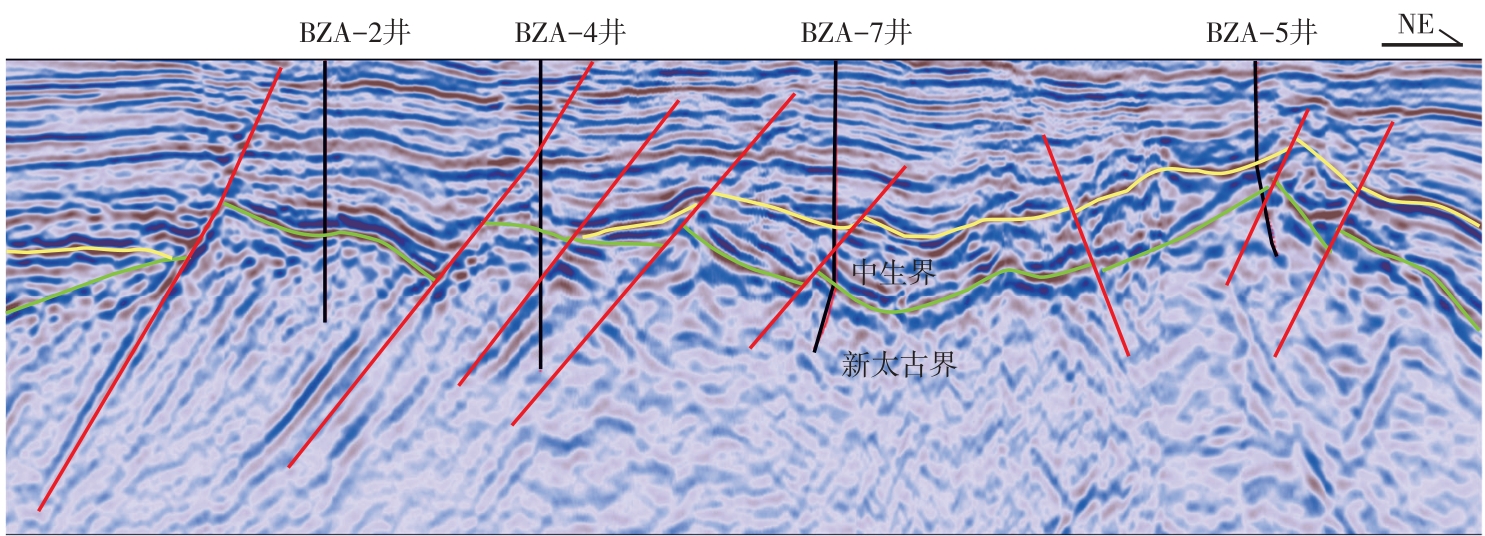
Fig.6
Vertical reservoir development model of fractures in deep buried hill of Bozhong A oilfield"

Fig.7
Integrated exploration and development workflow for deep buried hill fractured reservoirs"
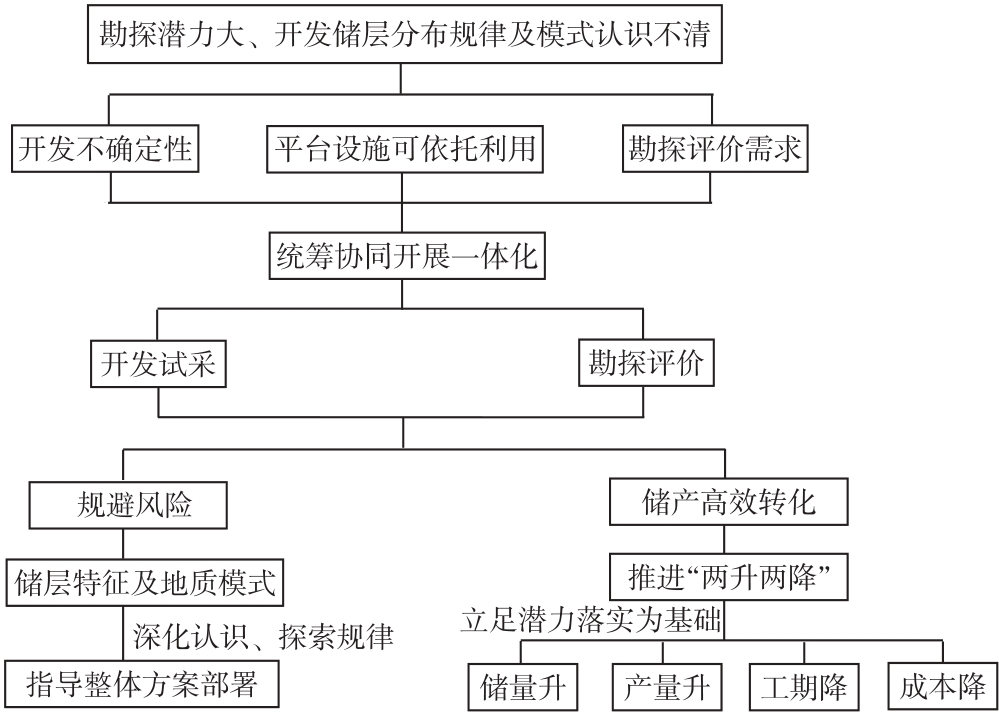
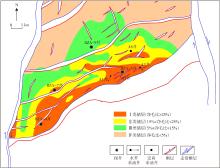
Fig.8
Comprehensive evaluation of weathered zone in Bozhong A oilfield"

| [1] | 薛永安. 渤海海域深层天然气勘探的突破与启示[J]. 天然气工业, 2019, 39(1): 11-20. |
| XUE Yong’an. The breakthrough of the deep-buried gas exploration in the Bohai Sea area and its enlightenment[J]. Natural Gas Industry, 2019, 39(1): 11-20. | |
| [2] | 薛永安, 李慧勇. 渤海海域深层太古界变质岩潜山大型凝析气田的发现及其地质意义[J]. 中国海上油气, 2018, 30(3): 1-9. |
| XUE Yong’an, LI Huiyong. Large condensate gas field in deep Archean metamorphic buried hill in Bohai Sea: Discovery and geological significance[J]. China Offshore Oil and Gas, 2018, 30(3): 1-9. | |
| [3] | 徐长贵, 于海波, 王军, 等. 渤海海域渤中19-6大型凝析气田形成条件与成藏特征[J]. 石油勘探与开发, 2019, 46(1): 25-38. |
| XU Changgui, YU Haibo, WANG Jun, et al. Formation conditions and accumulation characteristics of Bozhong 19-6 large condensate gas field in offshore Bohai Bay Basin[J]. Petroleum Exploration and Development, 2019, 46(1): 25-38. | |
| [4] | 施和生, 王清斌, 王军, 等. 渤中凹陷深层渤中19-6构造大型凝析气田的发现及勘探意义[J]. 中国石油勘探, 2019, 24(1): 36-45. |
| SHI Hesheng, WANG Qingbin, WANG Jun, et al. Discovery and exploration significance of large condensate gas fields in BZ19-6 structure in deep Bozhong sag[J]. China Petroleum Exploration, 2019, 24(1): 36-45. | |
| [5] | 徐长贵. 渤海湾盆地天然气勘探新进展、未来方向与挑战[J]. 天然气工业, 2024, 44(1): 72-85. |
| XU Changgui. Progress, future direction, and challenges of natural gas exploration in the Bohai Bay Basin[J]. Natural Gas Industry, 2024, 44(1): 72-85. | |
| [6] | 闫建丽, 李超, 马栋,等. 渤海复杂潜山油藏动静态特征识别方法及应用[J]. 油气藏评价与开发, 2024, 14(2): 308-316. |
| YAN Jianli, LI Chao, MA Dong, et al. Dynamic and static feature identification method of complex buried hill reservoirs in Bohai and its application[J]. Petroleum Reservoir Evaluation and Development, 2024, 14(2): 308-316. | |
| [7] | 李洪革, 杜旭东, 陆克政, 等. 渤海湾地区中西部中生代构造特征及演化[J]. 石油大学学报(自然科学版), 1999, 23(3): 1-5. |
| LI Hongge, DU Xudong, LU Kezheng, et al. Evolution and structural characteristics of the Mesozoic era in the central[J]. Journal of the University of Petroleum, China, 1999, 23(3): 1-5. | |
| [8] | 李三忠, 索艳慧, 戴黎明, 等. 渤海湾盆地形成与华北克拉通破坏[J]. 地学前缘, 2010, 17(4): 64-89. |
| LI Sanzhong, SUO Yanhui, DAI Liming, et al. Development of the Bohai Bay basin and destruction of the North China Craton[J]. Earth Science Frontiers, 2010, 17(4): 64-89. | |
| [9] | 侯贵廷, 钱祥麟, 蔡东升. 渤海湾盆地中、新生代构造演化研究[J]. 北京大学学报(自然科学版), 2001, 37(6): 845-851. |
| HOU guiting, QIAN Xianglin, CAI Dongsheng. The tectonic evolution of Bohai basin in Mesozoic and Cenozoic time[J]. Acta Scientiarum Naturalum Universitis Pekinesis, 2001, 37(6): 845-851. | |
| [10] | 张健, 李保振, 周文胜, 等. 中国海上气田开发与提高采收率技术[J]. 天然气工业, 2023, 43(1): 132-140. |
| ZHANG Jian, LI Baozhen, ZHOU Wensheng, et al. Development and EGR technologies of offshore gas fields in China[J]. Natural Gas Industry, 2023, 43(1): 132-140. | |
| [11] | 郑华, 康凯, 刘卫林, 等. 渤海深层变质岩潜山油藏裂缝主控因素及预测[J]. 岩性油气藏, 2022, 34(3): 29-38. |
| ZHENG Hua, KANG Kai, LIU Weilin, et al. Main controlling factors and prediction of fractures in deep metamorphic buried hill reservoirs in Bohai Sea[J]. Lithologic Reservoirs, 2022, 34(3): 29-38. | |
| [12] | 于福生, 漆家福, 王春英. 华北东部印支期构造变形研究[J]. 中国矿业大学学报, 2002, 31(4): 402-406. |
| YU Fusheng, QI Jiafu, WANG Chunying. Tectonic deformation of Indosinian Period in eastern part of North China[J]. Journal of China University of Mining & Technology, 2002, 31(4): 402-406. | |
| [13] | 赵越, 徐刚, 张拴宏, 等. 燕山运动与东亚构造体制的转变[J]. 地学前缘, 2004, 11(3): 319-328. |
| ZHAO Yue, XU Gang, ZHANG Shuanhong, et al. Yanshanian movement and conversion of tectonic regimes in East Asia[J]. Earth Science Frontiers, 2004, 11(3): 319-328. | |
| [14] | 周立宏, 李三忠, 刘建忠, 等. 渤海湾盆地区燕山期构造特征与原型盆地[J]. 地球物理学进展, 2003, 18(4): 692-699. |
| ZHOU Lihong, LI Sanzhong, LIU Jianzhong, et al. The Yanshanian structural style and basin prototypes of the Mesozoic Bohai Bay Basin[J]. Progress in Geophysics, 2003, 18(4): 692-699. | |
| [15] | 侯明才, 曹海洋, 李慧勇, 等. 渤海海域渤中19-6构造带深层潜山储层特征及其控制因素[J]. 天然气工业, 2019, 39(1): 33-44. |
| HOU Mingcai, CAO Haiyang, LI Huiyong, et al. Characteristics and controlling factors of deep buried-hill reservoirs in the BZ19-6 structural belt, Bohai Sea area[J]. Natural Gas Industry, 2019, 39(1): 33-44. | |
| [16] | 邓运华. 渤海大中型潜山油气田形成机理与勘探实践[J]. 石油学报, 2015, 36(3): 253-261. |
| DENG Yunhua. Formation mechanism and exploration practice of large-medium buried-hill oil fields in Bohai Sea[J]. Acta Petrolei Sinica, 2015, 36(3): 253-261. | |
| [17] | 施宁, 刘敬寿, 张冠杰, 等. 基底变质岩深部潜山储层构造裂缝发育特征及主控因素: 以渤海湾盆地渤中B区块为例[J]. 石油实验地质, 2024, 46(4): 799-811. |
| SHI Ning, LIU Jingshou, ZHANG Guanjie, et al. Characteristics and main controlling factors of structural fracture development in deep buried hill reservoirs of basement metamorphic rocks: A case study of B block, Bohai Bay Basin[[J]. Petroleum Geology & Experiment, 2024, 46(4): 799-811. | |
| [18] | 胡安文, 牛成民, 王德英, 等. 渤海湾盆地渤中凹陷渤中19-6构造凝析油气特征与形成机制[J]. 石油学报, 2020, 41(4): 403-411. |
| HU Anwen, NIU Chengmin, WANG Deying, et al. The characteristics and formation mechanism of condensate oil and gas in Bozhong19-6 structure, Bozhong sag, Bohai Bay Basin[J]. Acta Petrolei Sinica, 2020, 41(4): 403-411. | |
| [19] | 徐长贵, 杜晓峰, 刘晓健, 等. 渤海海域太古界深埋变质岩潜山优质储集层形成机制与油气勘探意义[J]. 石油与天然气地质, 2020, 41(2): 235-247. |
| XU Changgui, DU Xiaofeng, LIU Xiaojian, et al. Formation mechanism of high-quality deep buried-hill reservoir of Archaean metamorphic rocks and its significance in petroleum exploration in Bohai Sea area[J]. Oil & Gas Geology, 2020, 41(2): 235-247. | |
| [20] | 孟卫工, 陈振岩, 李湃, 等. 潜山油气藏勘探理论与实践: 以辽河坳陷为例[J]. 石油勘探与开发, 2009, 36(2): 136-143. |
| MENG Weigong, CHEN Zhenyan, LI Pai, et al. Exploration theories and practices of buried-hill reservoirs: A case from Liaohe Depressions[J]. Petroleum Exploration and Development, 2009, 36(2): 136-143. | |
| [21] | 朱博远, 张超谟, 张占松, 等. 渤中19-6太古界潜山复杂岩性储层矿物组分反演[J]. 岩性油气藏, 2020, 32(4): 107-114. |
| ZHU Boyuan, ZHANG Chaomo, ZHANG Zhansong, et al. Mineral component inversion of complex lithologic reservoirs in Bozhong 19-6 Archean buried hill[J]. Lithologic Reservoirs, 2020, 32(4): 107-114. | |
| [22] | 官大勇, 王昕, 刘朋波, 等. 渤海南部碳酸盐岩潜山储层特征及发育模式: 以渤中28-29区为例[J]. 东北石油大学学报, 2024, 48(3): 1-13. |
| GUAN Dayong, WANG Xin, LIU Pengbo, et al. The characteristics and development pattern of carbonate buried hill reservoirs in the Southern Bohai Sea: A case study of Bozhong 28-29 Area[J]. Journal of Northeast Petroleum University, 2024, 48(3): 1-13. | |
| [23] | 曹东升, 曾联波, 黄诚, 等. 多尺度岩石力学层对断层和裂缝发育的控制作用[J]. 地球科学, 2023, 48(7): 2535-2556. |
| CAO Dongsheng, ZENG Lianbo, HUANG Cheng, et al. Control of multi-scale mechanical stratigraphy on development of faults and fractures[J]. Earth Science, 2023, 48(7): 2535-2556. | |
| [24] | 廖新武, 谢润成, 周文, 等. 古地貌对渤海湾盆地B区块太古宇暴露型潜山变质岩风化带储层裂缝发育的影响[J]. 石油与天然气地质, 2023, 44(2): 406-417. |
| LIAO Xinwu, XIE Runcheng, ZHOU Wen, et al. The effects of paleogeomorphology on the development of fractures in reservoirs of weathering metamorphic zone in an exposed Archean burial hill, Block B, Bohai Bay Basin[J]. Oil & Gas Geology, 2023, 44(2): 406-417. | |
| [25] | 许鹏, 牛成民, 李慧勇, 等. 渤海湾盆地渤中凹陷西南部变质岩潜山裂缝型储层特征及主控因素[J]. 矿产勘查, 2022, 13(4): 418-427. |
| XU Peng, NIU Chengmin, LI Huiyong, et al. Characteristics and main controlling factors of natural gas fracture-related reservoir in Archen metamorphic rocks in southwest Bozhong Sag, Bohai Bay Basin[J]. Mineral Exploration, 2022, 13(4): 418-427. | |
| [26] | 胡志伟, 吕丁友, 王德英, 等. 渤海海域前新生代关键构造期变形特征与潜山油气成藏意义[J]. 中国海上油气, 2023, 35(1): 50-62. |
| HU Zhiwei, Dingyou LYU, WANG Deying, et al. Deformation characteristics of critical tectonic periods during pre-Cenozoic and significance of buried hill hydrocarbon accumulation in the Bohai sea area[J]. China Offshore Oil and Gas, 2023, 35(1): 50-62. | |
| [27] | 任宪军, 石云倩, 靖伟. 陆相湖盆水下喷发火山岩储层特征及发育模式: 以松辽盆地长岭断陷查干花次凹为例[J]. 油气藏评价与开发, 2024, 14(2): 176-189. |
| REN Xianjun, SHI Yunqian, JING Wei. Characteristics and development model of underwater eruptive volcanic reservoirs in continental lacustrine basin: A case study of Chaganhua Subsag in Changling Fault Depression, Songliao Basin[J]. Petroleum Reservoir Evaluation and Development, 2024, 14(2): 176-189. | |
| [28] | 童凯军, 赵春明, 吕坐彬, 等. 渤海变质岩潜山油藏储集层综合评价与裂缝表征[J]. 石油勘探与开发, 2012, 39(1): 56-63. |
| TONG Kaijun, ZHAO Chunming, Zuobin LYU, et al. Reservoir evaluation and fracture characterization of the metamorphic buried hill reservoir in Bohai Bay[J]. Petroleum Exploration and Development, 2012, 39(1): 56-63. | |
| [29] | 刘维永. 渤海A油田勘探开发一体化实践与认识[J]. 中国石油和化工标准与质量, 2014, 34(11): 146-147. |
| LIU Weiyong. Practice and understanding of integration of exploration and development in Bohai A oilfield[J]. China Petroleum and Chemical Standard and Quality, 2014, 34(11): 146-147. |
| [1] | ZHANG Pei, LI Kun, ZHUANG Jianjian, TAN Yiying. Differential diagenetic evolution and evaluation of reservoirs in Santan Deep Depression, Xihu Sag, East China Sea Shelf Basin [J]. Petroleum Reservoir Evaluation and Development, 2025, 15(5): 760-772. |
| [2] | LI Shuyu, FAN Lixin, XIA Lianjun, ZHANG Juan, HE Junqing, ZHANG Hao, LI Yuezhe. Oil and gas accumulation characteristics of the third submember of the first member of Dainan Formation in deep layers of Gaoyou Sag, Subei Basin [J]. Petroleum Reservoir Evaluation and Development, 2025, 15(3): 455-462. |
| [3] | REN Xianjun, SHI Yunqian, JING Wei. Characteristics and development model of underwater eruptive volcanic reservoirs in continental lacustrine basin: A case study of Chaganhua Subsag in Changling Fault Depression, Songliao Basin [J]. Petroleum Reservoir Evaluation and Development, 2024, 14(2): 176-189. |
| [4] | XU Chengyuan,YANG Yang,PU Shi,KANG Yili,LI Daqi,ZHANG Dujie,YAN Xiaopeng,YANG Bin. Design method of plugging formula for deep naturally fractured reservoir based on efficient bridging and compact filling [J]. Petroleum Reservoir Evaluation and Development, 2022, 12(3): 534-544. |
| [5] | ZHANG Li’an,WANG Shaopeng,ZHANG Lan,WU Chunxin,YUAN Xun. Analysis on geological characteristics of fractured carbonate reservoir in buried-hill by geological modeling [J]. Petroleum Reservoir Evaluation and Development, 2021, 11(5): 688-693. |
| [6] | YANG Zhenheng,HU Zongquan,XIONG Liang,DING Jianghui,SHEN Baojian,SHI Hongliang,LU Longfei,WEI Limin,LI Zhiming. Gas storage characteristics and coupling characteristics of deep shale gas: a case study of well-X in southern Sichuan basin, China [J]. Reservoir Evaluation and Development, 2020, 10(5): 20-27. |
| [7] | LIANG Xing,ZHANG Chao,ZHANG Pengwei,ZHANG Lei,WANG Gaocheng,PAN Yuanwei,ZHAO Chunduan,ZHANG Jiehui,WANG Weixu,QIU Kaibin. Research and application of geomechanics of shale gas in deep mountain of Yichang, Hubei [J]. Reservoir Evaluation and Development, 2019, 9(5): 20-31. |
| [8] | He Tao,Wang Jian,Yu Heng,Xu Peng,Liu Xuwen. Mechanism study on multi-round profile control technique in fractured water flooding reservoir [J]. Reservoir Evaluation and Development, 2018, 8(2): 68-72. |
| [9] | Zhao Yang,Wu Jingchun,Shi Fang,Yang Ming. Physical simulation flooding test of multi-turn profile control in low permeability reservoir [J]. Reservoir Evaluation and Development, 2018, 8(1): 44-48. |
|
||
