
Petroleum Reservoir Evaluation and Development ›› 2026, Vol. 16 ›› Issue (1): 186-197.doi: 10.13809/j.cnki.cn32-1825/te.2024525
• Comprehensive Research • Previous Articles Next Articles
YIN Guofeng( ), ZHAO Yong
Received:2024-11-11
Online:2026-01-06
Published:2026-01-26
CLC Number:
YIN Guofeng,ZHAO Yong. Barrier coastal depositional system and its characteristics in Xihu Sag, East China Sea Shelf Basin: A case study of lower Pinghu Formation in Pingbei area[J]. Petroleum Reservoir Evaluation and Development, 2026, 16(1): 186-197.
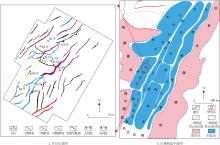
Fig.1
Well location map of study area and structural map of Xihu Sag, East China Sea Shelf Basin (modified from reference[4])"

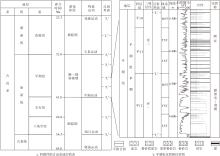
Fig.2
Stratigraphic table of Paleogene and comprehensive stratigraphic column of Pinghu Formation in Xihu Sag, East China Sea Shelf Basin"

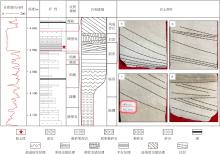
Fig.3
Depositional facies characteristics of barrier islands in Pingbei area, Xihu Sag, East China Sea Shelf Basin"

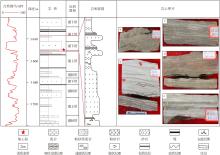
Fig.4
Depositional facies characteristics of tidal flats in Pingbei area, Xihu Sag, East China Sea Shelf Basin"

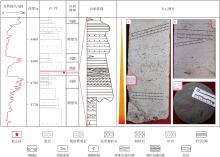
Fig.5
Depositional facies characteristics of tidal channels and lagoons in Pingbei area, Xihu Sag, East China Sea Shelf Basin"
Fig.6
Connected-well depositional facies map in east-west direction of Pinghu Formation in Pingbei area, Xihu Sag, East China Sea Shelf Basin"

Fig.7
Connected-well depositional facies map in north-south direction of Pinghu Formation in Pingbei area, Xihu Sag, East China Sea Shelf Basin"

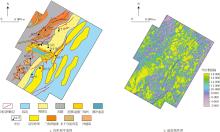
Fig.8
Planar distribution characteristics of depositional facies during SQ 1 of Pinghu Formation in Pingbei area, Xihu Sag, East China Sea Shelf Basin"

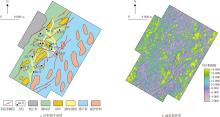
Fig.9
Planar distribution characteristics of depositional facies during SQ 2 of Pinghu Formation in Pingbei area, Xihu Sag, East China Sea Shelf Basin"

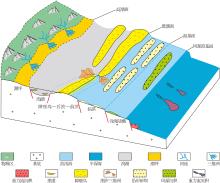
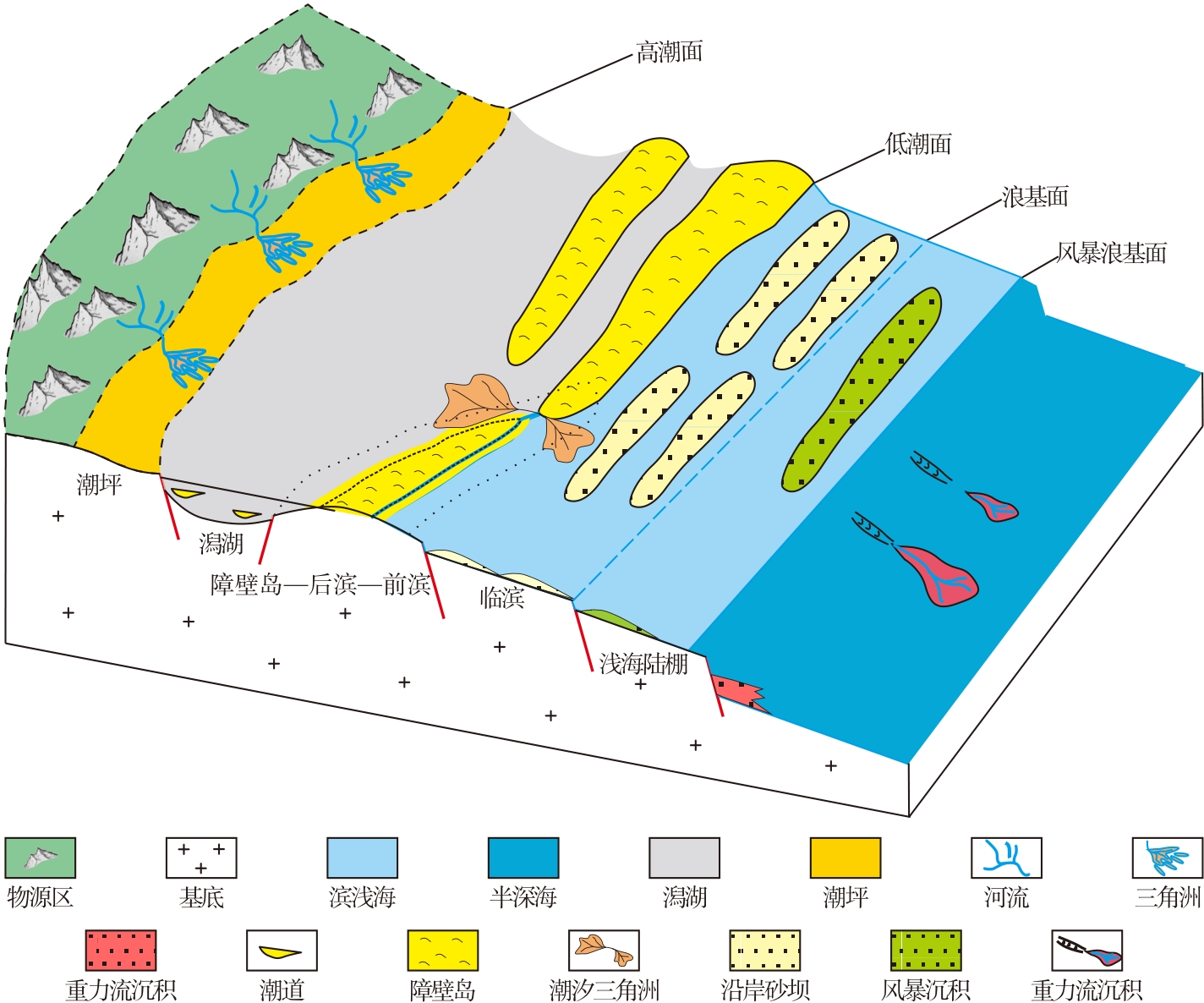
Fig.10
Depositional model of early barrier coastal system of Pinghu Formation in Pingbei area, Xihu Sag, East China Sea Shelf Basin"
| [1] | 刘书会, 王宝言, 刘成鑫. 西湖凹陷平湖地区平湖组沉积相的再认识[J]. 油气地质与采收率, 2009, 16(3): 1-3. |
| LIU Shuhui, WANG Baoyan, LIU Chengxin. The recognition about sedimentary facies in Pinghu Formation of Pinghu region[J]. Petroleum Geology and Recovery Efficiency, 2009, 16(3): 1-3. | |
| [2] | 张年念, 程超, 余逸凡, 等. 西湖凹陷古近系致密砂岩气“三元耦合控藏”特征[J]. 非常规油气, 2024, 11(3): 27-34. |
| ZHANG Niannian, CHENG Chao, YU Yifan, et al. Characteristics of ternary factors coupling for controlling reservoir of Paleogene tight sandstone gas in Xihu Sag[J]. Unconventional Oil & Gas, 2024, 11(3): 27-34. | |
| [3] | 王腊梅. 一体化质控的宽频保幅处理技术在西湖凹陷S气田的应用[J]. 天然气勘探与开发, 2024, 47(1): 33-39. |
| WANG Lamei. Application of broadband amplitude-preserving processing with integrated quality control to S gasfield, Xihu depression, East China Sea[J]. Natural Gas Exploration and Development, 2024, 47(1): 33-39. | |
| [4] | 赵洪, 蒋一鸣, 常吟善, 等. 西湖凹陷平湖组基于沉积相标志的沉积特征研究[J]. 上海国土资源, 2018, 39(1): 88-92. |
| ZHAO Hong, JIANG Yiming, CHANG Yinshan, et al. Study on sedimentary characteristics of the Pinghu Formation based on sedimentary facies markers in Xihu Sag, East China Sea Basin[J]. Shanghai Land & Resources, 2018, 39(1): 88-92. | |
| [5] | 蒋海军, 胡明毅, 胡忠贵, 等. 西湖凹陷古近系沉积环境分析: 以微体古生物化石为主要依据[J]. 岩性油气藏, 2011, 23(1): 74-78. |
| JIANG Haijun, HU Mingyi, HU Zhonggui, et al. Sedimentary environment of Paleogene in Xihu Sag: Microfossil as the main foundation[J]. Lithologic Reservoirs, 2011, 23(1): 74-78. | |
| [6] | 杨彩虹, 高兆红, 蒋一鸣, 等. 西湖凹陷平湖斜坡带始新统平湖组碎屑沉积体系再认识[J]. 石油天然气学报, 2013, 35(9): 11-14. |
| YANG Caihong, GAO Zhaohong, JIANG Yiming, et al. Reunderstanding of clastic rock sedimentary facies of Eocene Pinghu formation in Pinghu slope of Xihu Sag[J]. Journal of Oil and Gas Technology, 2013, 35(9): 11-14. | |
| [7] | 胡明毅, 沈娇, 胡蝶. 西湖凹陷平湖构造带平湖组砂岩储层特征及其主控因素[J]. 石油与天然气地质, 2013, 34(2): 185-191. |
| HU Mingyi, SHEN Jiao, HU Die. Reservoir characteristics and its main controlling factors of the Pinghu Formation in Pinghu structural belt, Xihu Depression[J]. Oil & Gas Geology, 2013, 34(2): 185-191. | |
| [8] | 王泽宇, 徐清海, 侯国伟, 等. 东海陆架盆地西湖凹陷W井区平湖组潮汐沉积模式[J]. 海相油气地质, 2021, 26(2): 159-169. |
| WANG Zeyu, XU Qinghai, HOU Guowei, et al. Tidal depositional model of Pinghu Formation in W well block of Xihu Sag, East China Sea shelf Basin[J]. Marine Origin Petroleum Geology, 2021, 26(2): 159-169. | |
| [9] | 王军, 曹磊, 许怀智, 等. 东海盆地西湖凹陷平湖地区油气源对比及油气运移特征分析[J]. 西安石油大学学报(自然科学版), 2024, 39(1): 1-11. |
| WANG Jun, CAO Lei, XU Huaizhi, et al. Comparison of oil-gas sources and analysis of oil-gas migration characteristics in Pinghu area of Xihu Sag, the East China Sea basin[J]. Journal of Xi’an Shiyou University (Natural Science Edition), 2024, 39(1): 1-11. | |
| [10] | 张喜淳, 徐昉昊, 徐国盛, 等. 西湖凹陷古近系平湖组“断-脊-砂”耦合成藏差异性[J]. 成都理工大学学报(自然科学版), 2025, 66(2): 344-361. |
| ZHANG Xichun, XU Fanghao, XU Guosheng, et al. The coupling difference of “fault-tectonic ridge-sand body” hydrocarbon accumulation in Pinghu Formation of Paleogene in Xihu Sag[J]. Journal of Chengdu University of Technology(Science & Technology Edition), 2025, 66(2): 344-361. | |
| [11] | 赵谦. 东海陆架盆地西湖凹陷西部斜坡带平湖组潮河联控沉积体系研究[D]. 武汉: 中国地质大学, 2022. |
| ZHAO Qian. Tidal and river joint-dominated sedimentary system analysis of the Pinghu Formation in the west slope belt of Xihu Depression, East China Sea shelf basin[D]. Wuhan: China University of Geosciences, 2022. | |
| [12] | 蔡华, 秦兰芝, 刘英辉. 西湖凹陷平北斜坡带海陆过渡相源-汇系统差异性及其耦合模式[J]. 地球科学, 2019, 44(3): 880-897. |
| CAI Hua, QIN Lanzhi, LIU Yinghui. Differentiation and coupling model of source-to-sink systems with transitional facies in Pingbei slope of Xihu Sag[J]. Earth Science, 2019, 44(3): 880-897. | |
| [13] | 于兴河, 李顺利, 曹冰, 等. 西湖凹陷渐新世层序地层格架与沉积充填响应[J]. 沉积学报, 2017, 35(2): 299-314. |
| YU Xinghe, LI Shunli, CAO Bing, et al. Oligocene sequence framework and depositional response in the Xihu depression, East China Sea shelf basin[J]. Acta Sedimentologica Sinica, 2017, 35(2): 299-314. | |
| [14] | STUTZ M L, PILKEY O H. Open-ocean barrier islands: Global influence of climatic, oceanographic, and depositional settings[J]. Journal of Coastal Research, 2011, 27(2): 207-222. |
| [15] | COOPER J A G, JACKSON D W T, DAWSON A G, et al. Barrier islands on bedrock: A new landform type demonstrating the role of antecedent topography on barrier form and evolution[J]. Geology, 2012, 40(10): 923-926. |
| [16] | 钟玉婷, 董艳蕾, 李顺利, 等. 珠三坳陷珠海组海陆过渡相沉积特征及储层控制因素[J]. 东北石油大学学报, 2023, 47(4): 39-56. |
| ZHONG Yuting, DONG Yanlei, LI Shunli, et al. Sedimentary characteristics and reservoir controlling factors of sea-land transition in Zhuhai Formation, Zhu-3 Depression[J]. Journal of Northeast Petroleum University, 2023, 47(4): 39-56. | |
| [17] | 朱筱敏. 沉积岩石学: 第5版·富媒体[M]. 北京: 石油工业出版社, 2020. |
| ZHU Xiaomin. Sedimentary petrology: 5th ed rich media[M]. Beijing: Petroleum Industry Press, 2020. | |
| [18] | 邓宏文, 郑文波. 珠江口盆地惠州凹陷古近系珠海组近海潮汐沉积特征[J]. 现代地质, 2009, 23(5): 767-775. |
| DENG Hongwen, ZHENG Wenbo. Depositional characteristics of offshore tidal deposits in the lower tertiary Zhuhai formation, Huizhou depression, Pearl River mouth basin[J]. Geoscience, 2009, 23(5): 767-775. | |
| [19] | 李伟茹, 李志华, 李胜利, 等. 障壁岛—潟湖沉积特征及模式: 以美国普拉姆岛上更新统—全新统为例[J]. 古地理学报, 2022, 24(6): 1073-1083. |
| LI Weiru, LI Zhihua, LI Shengli, et al. Sedimentary characteristics and model of barrier island-lagoon: An example from the Upper Pleistocene-Holocene in Plum island, USA[J]. Journal of Palaeogeography (Chinese Edition), 2022, 24(6): 1073-1083. | |
| [20] | 周瑞琦, 傅恒, 徐国盛, 等. 东海陆架盆地西湖凹陷平湖组—花港组沉积层序[J]. 沉积学报, 2018, 36(1): 132-141. |
| ZHOU Ruiqi, FU Heng, XU Guosheng, et al. Eocene Pinghu formation-Oligocene Huagang formation sequence stratigraphy and depositional model of Xihu Sag in East China Sea basin[J]. Acta Sedimentologica Sinica, 2018, 36(1): 132-141. | |
| [21] | 姜在兴, 王俊辉, 张元福. 滩坝沉积研究进展综述[J]. 古地理学报, 2015, 17(4): 427-440. |
| JIANG Zaixing, WANG Junhui, ZHANG Yuanfu. Advances in beach-bar research: A review[J]. Journal of Palaeogeography, 2015, 17(4): 427-440. | |
| [22] | 王俊辉, 姜在兴, 鲜本忠, 等. 利用滩坝砂体规模研究古风力的定量恢复[J]. 古地理学报, 2021, 23(5): 937-950. |
| WANG Junhui, JIANG Zaixing, XIAN Benzhong, et al. Determination of Palaeowind strength by using scale of beach-bar sand bodies[J]. Journal of Palaeogeography (Chinese Edition), 2021, 23(5): 937-950. | |
| [23] | 李帅, 俞伟哲, 秦兰芝, 等. 西湖凹陷平湖斜坡带物源-坡折耦合控砂模式[J]. 海洋地质前沿, 2024, 40(7): 36-44. |
| LI Shuai, YU Weizhe, QIN Lanzhi, et al. Sand-controlling model of source-slope-break coupling in Pinghu Slope Belt, Xihu Sag[J]. Marine Geology Frontiers, 2024, 40(7): 36-44. | |
| [24] | 姜在兴, 陈代钊. 沉积学: 第3版[M]. 北京: 中国石化出版社, 2022. |
| JIANG Zaixing, CHEN Daizhao. Sedimentology: 3rd ed[M]. Beijing: China Petrochemical Press, 2022. | |
| [25] | 蒋一鸣, 赵洪, 唐贤君, 等. 东海盆地西湖凹陷平湖斜坡带平北区始新统宝石组沉积环境及沉积相类型[J]. 石油实验地质, 2025, 47(5): 941-950. |
| JIANG Yiming, ZHAO Hong, TANG Xianjun, et al. Sedimentary environment and facies types of Eocene Baoshi Formation in Pingbei area, Pinghu slope belt, Xihu Sag, East China Sea Basin[J]. Petroleum Geology & Experiment, 2025, 47(5): 941-950. | |
| [26] | 王腊梅, 涂齐催, 毛云新, 等. 西湖凹陷斜坡带平湖组富煤地层弱煤优化处理[J]. 石油物探, 2025, 64(2): 379-387. |
| WANG Lamei, TU Qicui, MAO Yunxin, et al. Optimal treatment of weak coal in coal-rich strata of Pinghu formation in slope zone of Xihu sag[J]. Geophysical Prospecting for Petroleum, 2025, 64(2): 379-387. | |
| [27] | 蒋一鸣, 邵龙义, 李帅, 等. 西湖凹陷平湖构造带平湖组沉积体系及层序地层研究[J]. 现代地质, 2020, 34(1): 141-153. |
| JIANG Yiming, SHAO Longyi, LI Shuai, et al. Deposition system and stratigraphy of Pinghu formation in Pinghu tectonic belt, Xihu Sag[J]. Geoscience, 2020, 34(1): 141-153. | |
| [28] | MILLER K G, BROWNING J V, SCHMELZ W J, et al. Cenozoic sea-level and cryospheric evolution from deep-sea geochemical and continental margin records[J]. Science Advances, 2020, 6(20): eaaz1346. |
| [1] | ZHAO Yong, FENG Qin, SUN Xin, WANG Qing. Investigation on risk of induced earthquakes for CO2 geological storage in X block, Xihu Sag, East China Sea [J]. Petroleum Reservoir Evaluation and Development, 2026, 16(1): 23-33. |
| [2] | WANG Jianwei, LYU Peng, WANG Zequn, YAN Shumei, PAN Lu, LIN Lixin, WANG Rui, XU Chen, LIU Shu, HUANG Xiaojuan. Sedimentary evolution and main controlling factors of sand group levels in Pinghu Formation: A case study of well block W in Xihu Sag, East China Sea Shelf Basin [J]. Petroleum Reservoir Evaluation and Development, 2025, 15(5): 773-787. |
| [3] | ZHANG Pei, LI Kun, ZHUANG Jianjian, TAN Yiying. Differential diagenetic evolution and evaluation of reservoirs in Santan Deep Depression, Xihu Sag, East China Sea Shelf Basin [J]. Petroleum Reservoir Evaluation and Development, 2025, 15(5): 760-772. |
| [4] | JIANG Donghui, ZHUANG Jianjian, XING Lyuya, ZHANG Chuanyun, YUAN Zhongpeng, YANG Chao. Discussion and significance of evidence for Paleocene strata by drilling in Yingcuixuan area of Xihu Sag [J]. Petroleum Reservoir Evaluation and Development, 2025, 15(5): 750-759. |
| [5] | LI Jiudi, TIAN Bin, LI Jiwei, WANG Jianwei, ZHAO Tianpei, DING Li. Practices and insights of low-permeability gas reservoir development in East China Sea [J]. Petroleum Reservoir Evaluation and Development, 2025, 15(5): 734-739. |
| [6] | ZHANG Shanghu, LI Kun, ZHUANG Jianjian, ZHU Baoheng, ZHENG Xin, YANG Chao. Source-sink system and exploration directions during rift period: A case study of Pingbei area in Xihu Sag, East China Sea Shelf Basin [J]. Petroleum Reservoir Evaluation and Development, 2025, 15(5): 722-733. |
| [7] | ZHAO Yong, LI Jiudi, YAN Shumei, LI Jiwei, TIAN Bin, PAN Lu, XU Chen, CHEN Lei, LEI Lei, LYU Peng. Oil and gas development technologies and research directions in Xihu Sag of East China Sea Shelf Basin [J]. Petroleum Reservoir Evaluation and Development, 2025, 15(5): 711-721. |
|
||
