
Petroleum Reservoir Evaluation and Development ›› 2026, Vol. 16 ›› Issue (1): 1-10.doi: 10.13809/j.cnki.cn32-1825/te.20250016
• Specialist Forum • Previous Articles Next Articles
LI Yang1( ), WANG Rui2, CHEN Zuhua3, ZHANG Yao2, JI Hongming3, LIU Yunfeng2, ZHAO Qingmin2
Received:2025-11-02
Online:2026-01-06
Published:2026-01-26
CLC Number:
LI Yang,WANG Rui,CHEN Zuhua, et al. Characteristics and development practices of CO2 flooding in deep low-permeability reservoirs[J]. Petroleum Reservoir Evaluation and Development, 2026, 16(1): 1-10.
Fig.1
Analysis of key parameters of CO2 flooding in United States"
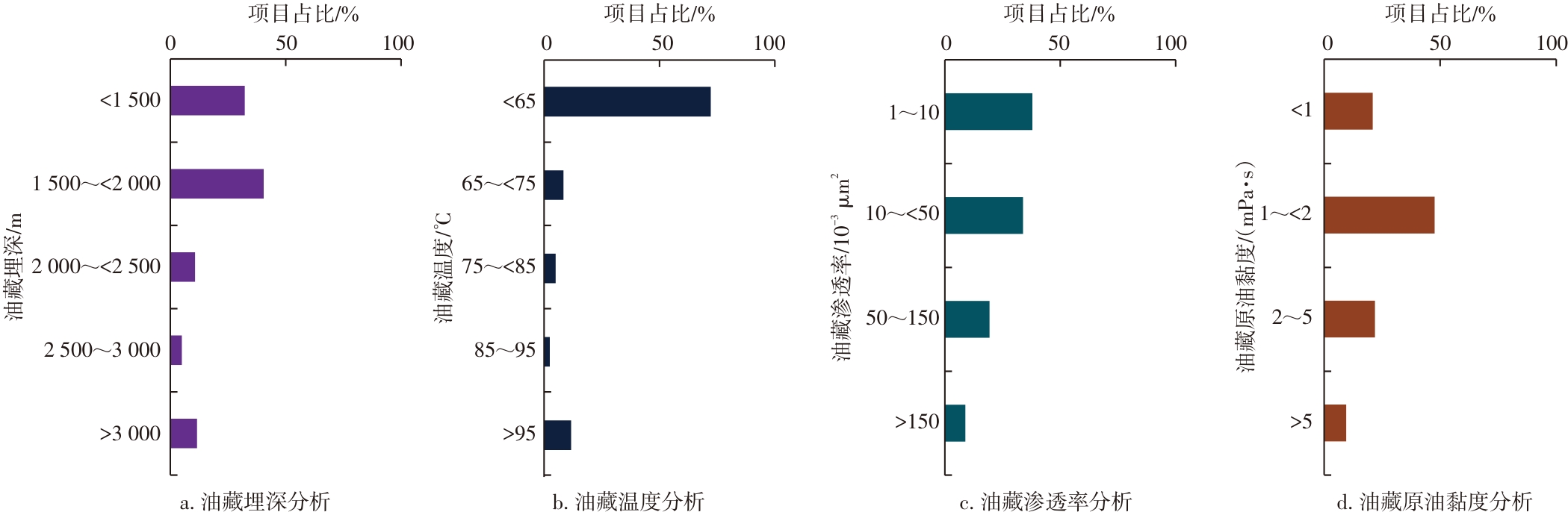
Fig.2
Analysis of key parameters of implemented CO2 flooding in China"
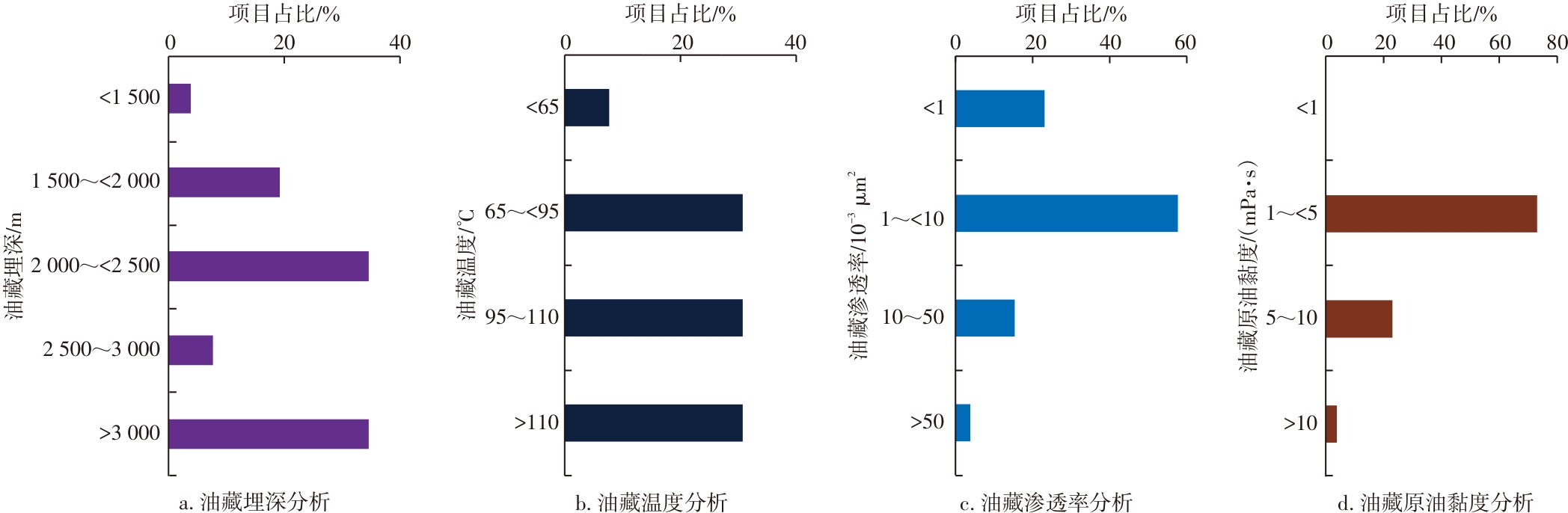
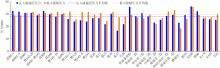
Fig.3
Miscible pressure in typical blocks of oilfields in East China"
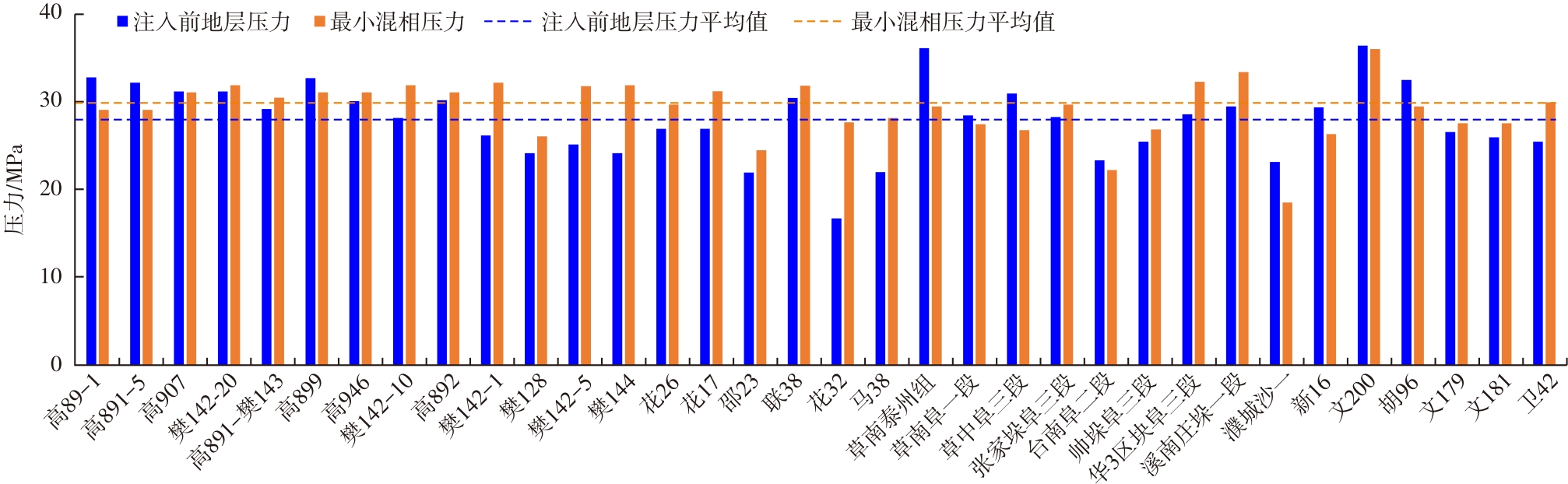
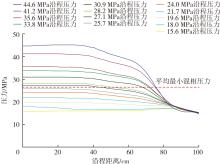
Fig.4
Pressure distribution of CO2 flooding along low-permeability long core"
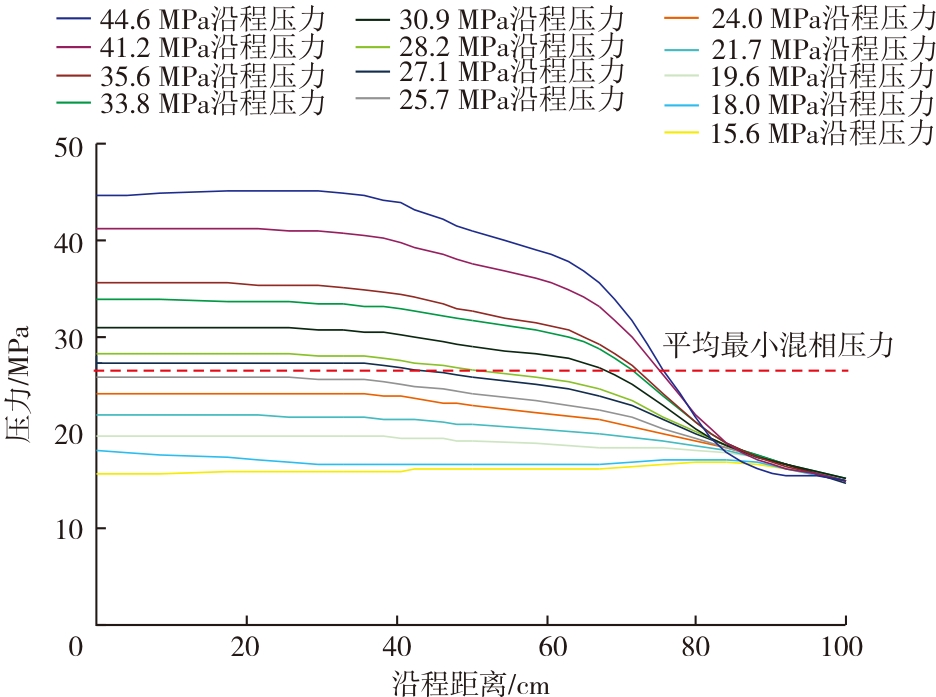
Fig.5
Changes in crude oil components before and after CO2 flooding in one block of an oilfield in East China"
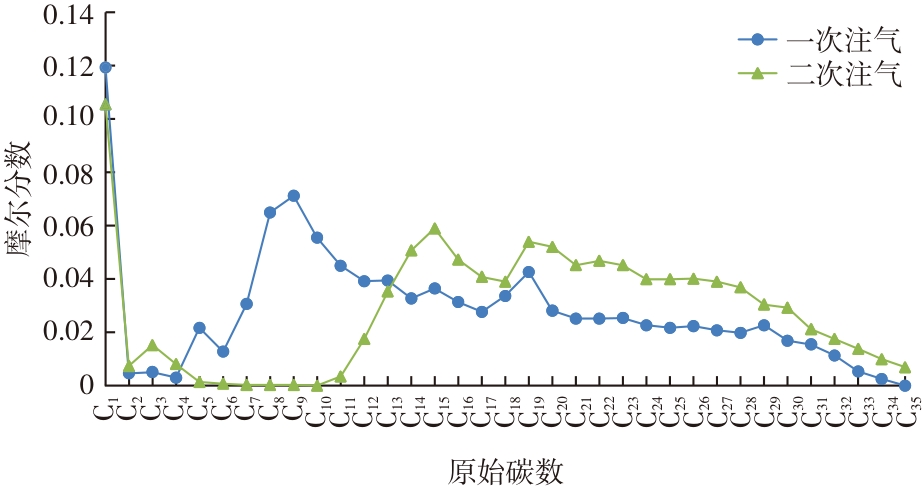
Fig.6
Changes in miscible pressure before and after CO2 flooding in one block of an oilfield in East China"
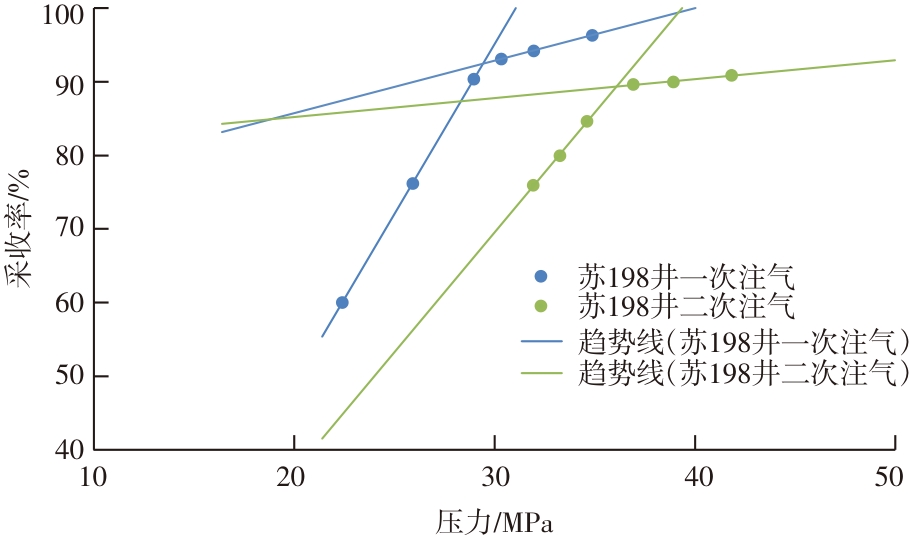
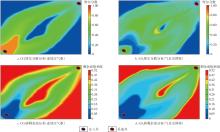
Fig.7
Numerical simulation of sweep efficiency for continuous gas injection and water-alternating-gas injection in horizontal direction"

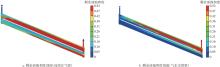
Fig.8
Numerical simulation of sweep efficiency for continuous gas injection and water-alternating-gas injection in vertical direction"
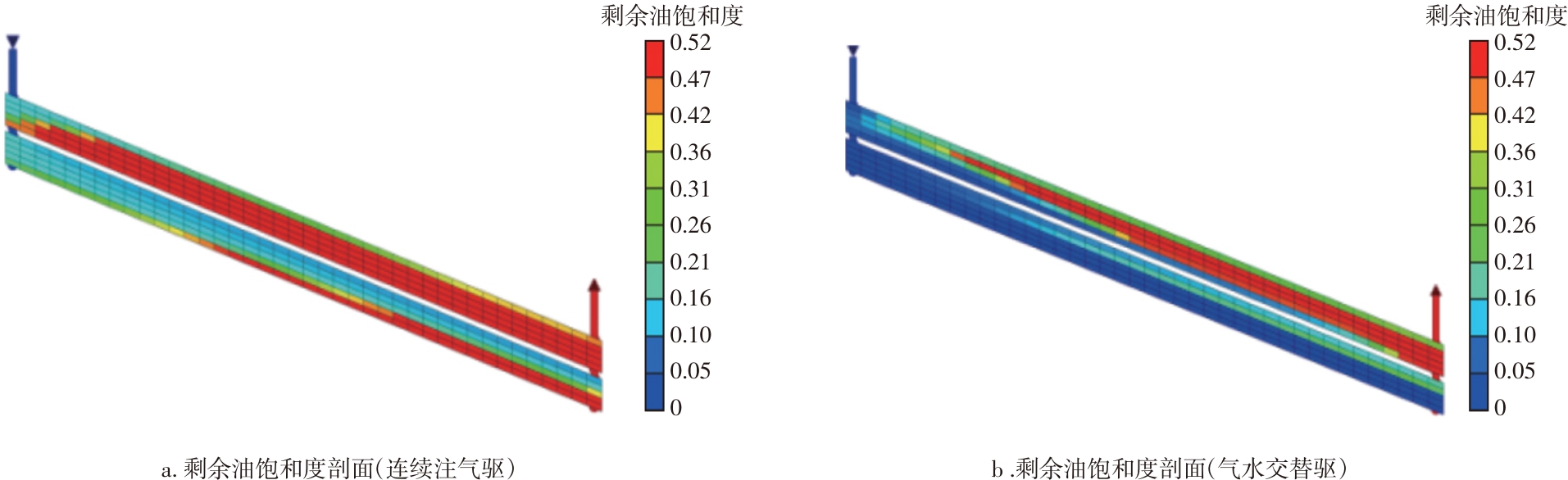
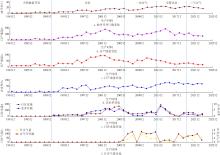
Fig.9
Development history of Taizhou Formation reservoir in southern fault block of Caoshe oilfield"
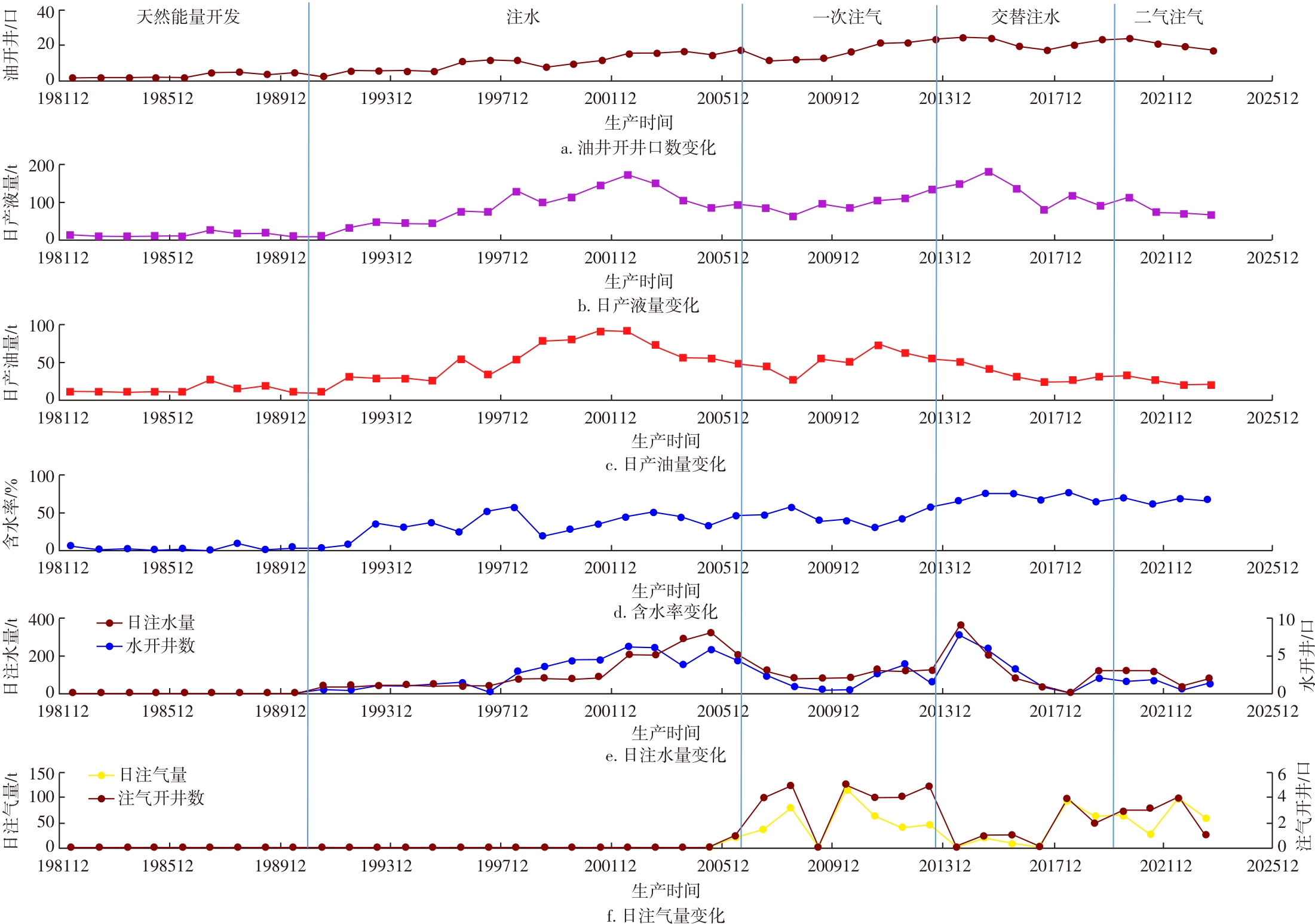
Fig.10
Distribution of formation energy supplemented by CO2 injection in Taizhou Formation, southern fault block of Caoshe oilfield"
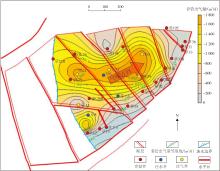
Fig.11
Analysis of gas channeling direction of CO2 flooding in Taizhou Formation, southern fault block of Caoshe oilfield"

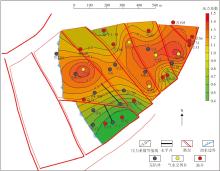
Fig.12
Distribution of energy supplementation by secondary CO2 flooding in Taizhou Formation, southern fault block of Caoshe oilfield"

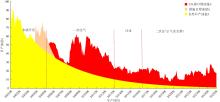
Fig.13
Enhanced oil recovery effectiveness of CO2 flooding in Taizhou Formation, southern fault block of Caoshe oilfield"
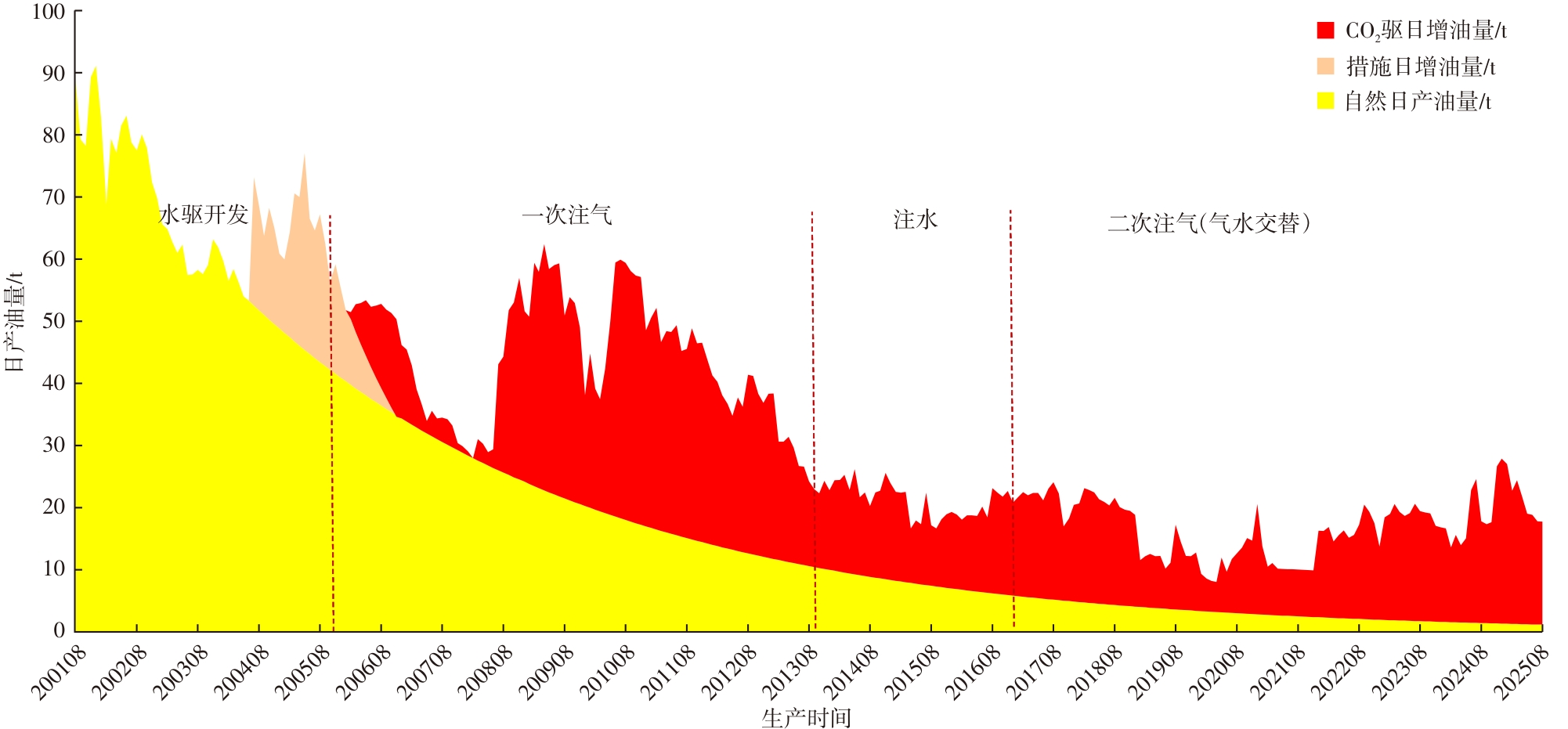
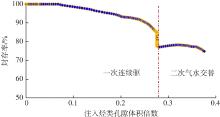
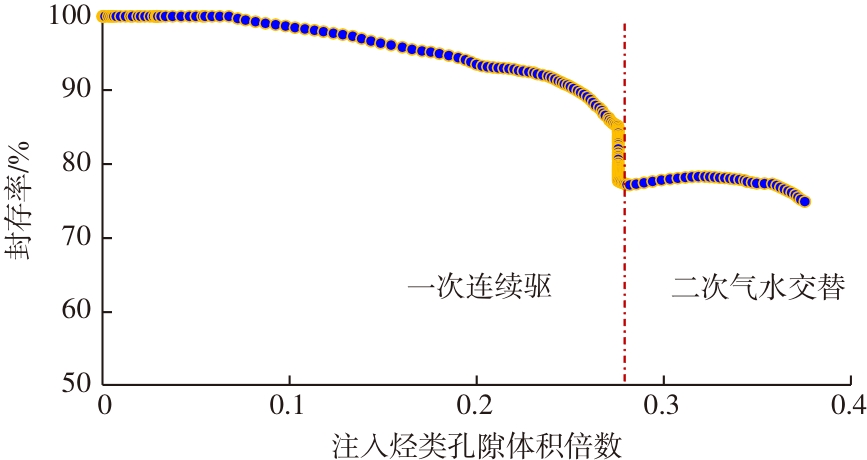
Fig.14
Variations in storage rate of CO2 flooding in Taizhou Formation reservoir, southern fault block of Caoshe oilfield"
| [1] | 王锐, 伦增珉, 吕成远, 等. 中外提高采收率新技术研究现状及发展趋势[J]. 油气地质与采收率, 2021, 28(5): 81-86. |
| WANG Rui, Zengmin LUN, Chengyuan LYU, et al. Research status and development trends of worldwide new technologies for enhanced oil recovery[J]. Petroleum Geology and Recovery Efficiency, 2021, 28(5): 81-86. | |
| [2] | AUSTELL J M, MOORE M E, HUSTAD C W. CO2 for enhanced oil recovery needs enhanced incentives[C]//Proceedings of the Fourth Annual Conference on Carbon Capture and Sequestration. Houston: DOE/NETL, 2005. |
| [3] | U.S. CO2 EOR survey[R]. Houston: Advanced Resources International, Inc., 2024. |
| [4] | 李阳. 碳中和与碳捕集利用封存技术进展[M]. 北京: 中国石化出版社, 2021. |
| LI Yang. Carbon Neutrality and progress in carbon capture, utilization and storage technologies[M]. Beijing: China Petrochemical Press, 2021. | |
| [5] | 计秉玉, 王锐, 何应付, 等. CO2驱油藏工程技术研究进展及展望[J]. 世界石油工业, 2025, 32(1): 87-99. |
| JI Bingyu, WANG Rui, HE Yingfu, et al. Research progress and prospect of reservoir engineering for CO2 flooding[J]. World Petroleum Industry, 2025, 32(1): 87-99. | |
| [6] | 刘凯, 李超跃, 姚振杰, 等. CO2驱混相带演化规律研究进展[J]. 油气与新能源, 2025, 37(1): 1-8. |
| LIU Kai, LI Chaoyue, YAO Zhenjie, et al. Research progress of miscible zone evolution law in CO2 flooding[J]. Petroleum and New Energy, 2025, 37(1): 1-8. | |
| [7] | 李佳旻, 张艺钟, 张茂林, 等. 基于核岭回归多参数优化的CO2驱最小混相压力模型[J]. 岩性油气藏, 2025, 37(6): 172-179. |
| LI Jiamin, ZHANG Yizhong, ZHANG Maolin, et al. Minimum miscible pressure model of CO2 flooding based on kernel ridge regression multi-parameter optimization[J]. Lithologic Reservoirs, 2025, 37(6): 172-179. | |
| [8] | 戴彩丽, 邹辰炜, 刘逸飞, 等. CO2驱油窜流控制技术进展与未来方向[J]. 中国石油大学学报(自然科学版), 2025, 49(6): 85-96. |
| DAI Caili, ZOU Chenwei, LIU Yifei, et al. Progress and future directions in channeling control technologies for CO2 flooding[J]. Journal of China University of Petroleum (Natural Science Edition), 2025, 49(6): 85-96. | |
| [9] | GAO Q, JIANG X, WANG Z H, et al. CO2 foam generation, propagation and decay characteristics: Recent advances and future perspectives with focus on CCUS implications[J]. Fuel,2025, 389: 134631. |
| [10] | VARGHESE A M, AHMED S, STEFANOPOULOS K L, et al. Nanomaterials as CO2 foam stabilizers: A comprehensive review[J]. Journal of Molecular Liquids, 2025, 436: 128156. |
| [11] | KANG S K, RYOU J E, LEE J Y, et al. Surfactant-alternating gas injection method with improved supercritical CO2 injection efficiency for geological carbon sequestration[J]. Fuel, 2025, 381(Part C): 133460. |
| [12] | 汤瑞佳, 陈龙龙, 谢旭强, 等. 低渗致密油藏CO2-黏弹性流体协同驱油效果评价及矿场应用[J]. 油气藏评价与开发, 2025, 15(4): 672-678. |
| TANG Ruijia, CHEN Longlong, XIE Xuqiang, et al. Effectiveness evaluation and field application of CO2-viscoelastic fluid synergistic flooding in low-permeability tight reservoirs[J]. Petroleum Reservoir Evaluation and Development, 2025, 15(4): 672-678. | |
| [13] | SUN Y X, MA Y J, YANG F,et al. Application of molecular dynamics simulation in CO2-EOR and CO2 geological storage: A review[J]. Geoenergy Science and Engineering, 2025, 251: 213894. |
| [14] | YANG H, WANG H, WANG X Z, et al. Experimental and modeling assessment of CO2 EOR and storage performances in tight oil reservoir, Yanchang oilfield, China[J]. Journal of CO2 Utilization, 2025, 97: 103125. |
| [15] | MIAO L, FENG L Y, MA Y. Comprehensive evaluation of CCUS technology: A case study of China’s first million-tonne CCUS-EOR project[J]. Environmental Impact Assessment Review, 2025, 110: 107684. |
| [16] | MAHDAVIARA M, AMAR M N, HEMMATI-SARAPARDEH A, et al. Toward smart schemes for modeling CO2 solubility in crude oil: Application to carbon dioxide enhanced oil recovery[J]. Fuel, 2021, 285: 119147. |
| [17] | 王光付, 李阳, 王锐, 等. 二氧化碳地质封存与利用新进展[J]. 石油与天然气地质, 2024, 45(4): 1168-1179. |
| WANG Guangfu, LI Yang, WANG Rui, et al. Recent advances in geological carbon dioxide storage and utilization[J]. Oil & Gas Geology, 2024, 45(4): 1168-1179. | |
| [18] | 檀朝东, 焉科鑫, 刘天宇, 等. CCUS-EOR监测预警技术进展及发展趋势[J]. 天然气与石油, 2024, 42(5): 40-49. |
| TAN Chaodong, YAN Kexin, LIU Tianyu, et al. The progress and development trends of CCUS-EOR monitoring and early warning technology[J]. Natural Gas and Oil, 2024, 42(5): 40-49. | |
| [19] | 陈亮, 顾鸿君, 刘荣军, 等. 低渗油藏CO2驱特征曲线理论推导及应用[J]. 新疆石油地质, 2017, 38(2): 229-232. |
| CHEN Liang, GU Hongjun, LIU Rongjun, et al. Derivation and Application of CO2 flooding characteristic curves in low permeability reservoirs[J]. Xinjiang Petroleum Geology, 2017, 38(2): 229-232. | |
| [20] | 吕成远, 王锐, 赵淑霞, 等. 低渗透油藏CO2非混相驱替特征曲线研究[J]. 油气地质与采收率, 2017, 24(5): 111-114. |
| Chengyuan LYU, WANG Rui, ZHAO Shuxia, et al. Study on displacement characteristic curve in CO2 immiscible flooding for low permeability reservoirs[J]. Petroleum Geology and Recovery Efficiency, 2017, 24(5): 111-114. | |
| [21] | 王鑫, 李敏, 袁少民. CO2驱特征曲线预测采收率方法[C]//2018油气田勘探与开发国际会议论文集(IFEDC 2018). 北京: 石油工业出版社, 2018: 2683-2695. |
| WANG Xin, LI Min, YUAN Shaomin. A CO2-flooding characteristiccurve method for predicting oil recovery[C]//Proceedings of the 2018 international field exploration and development conference (IFEDC 2018). Beijing: Petroleum Industry Press, 2018: 2683-2695. | |
| [22] | 孙成岩. CO2驱后水气交替注入驱替特征及剩余油启动机制[J]. 大庆石油地质与开发, 2024, 43(1): 52-58. |
| SUN Chengyan. Displacement characteristics and remaining oil startup mechanism of WAG after CO2 flooding[J]. Petroleum Geology & Oilfield Development in Daqing, 2024, 43(1): 52-58. | |
| [23] | 赵海军, 魏爱华, 彭昊, 等. 非均质多孔介质超临界CO2非混相驱替特征及机理研究[J]. 工程地质学报, 2024, 32(5): 1825-1837. |
| ZHAO Haijun, WEI Aihua, PENG Hao, et al. Study on characteristics and mechanism of immiscible displacement of supercritical CO2 in heterogeneous porous media[J]. Journal of Engineering Geology, 2024, 32(5): 1825-1837. | |
| [24] | 王锐, 吕成远, 伦增珉, 等. 低渗透油藏CO2驱替过程中的混相特征实验研究[J]. 陕西科技大学学报, 2015, 33(3): 105-108. |
| WANG Rui, Chengyuan LYU, Zengmin LUN, et al. Study on dynamic miscibility of CO2 flooding for low permeability reservoirs[J]. Journal of Shaanxi University of Science & Technology, 2015, 33(3): 105-108. | |
| [25] | 吴公益, 孙宇新, 孙晓飞, 等. 基于改进饥饿游戏搜索算法的CO2水气交替驱注入参数优化[J]. 油气藏评价与开发, 2025, 15(3): 500-507. |
| WU Gongyi, SUN Yuxin, SUN Xiaofei, et al. Optimization of CO2 water-alternating-gas injection parameters based on an improved hunger game search algorithm[J]. Petroleum Reservoir Evaluation and Development, 2025, 15(3): 500-507. | |
| [26] | 段宝江, 蔡振华, 钱继贺, 等. 低渗油藏压驱损伤增透机理实验[J]. 中国海上油气, 2025, 37(4): 163-172. |
| DUAN Baojiang, CAI Zhenhua, QIAN Jihe, et al. Experimental study on damage and permeability enhancement mechanism of pressure flooding in low-permeability reservoirs[J]. China Offshore Oil and Gas, 2025, 37(4): 163-172. | |
| [27] | 胡俊杰, 卢聪, 郭建春, 等. 深层页岩气纤维压裂及纤维暂堵技术研究与应用[J]. 油气藏评价与开发, 2025, 15(3): 515-521. |
| HU Junjie, LU Cong, GUO Jianchun, et al. Research and application of fiber fracturing and fiber temporary plugging technology for deep shale gas[J]. Petroleum Reservoir Evaluation and Development, 2025, 15(3): 515-521. |
| [1] | ZHANG Chao, ZHU Pengyu, HUANG Tianjing, YAN Changhao, LIU Jie, WANG Bo, ZHANG Bin, ZHANG Yi. Study on the influence of CO2-water-rock reactions under reservoir conditions on geochemical properties of sandstone reservoirs [J]. Petroleum Reservoir Evaluation and Development, 2025, 15(4): 545-553. |
| [2] | HE Yang, WANG Zhouhua, ZHENG Zuhao, TU Hanmin, HE Youcai. Experimental study on microscopic operation characteristics of CO2 miscible flooding in offshore L low permeability reservoirs [J]. Petroleum Reservoir Evaluation and Development, 2025, 15(4): 589-596. |
| [3] | WANG Zhanpeng, LIU Shuangxing, LIU Qi, YANG Shugang, ZHANG Min, XIAN Chenggang, WENG Yibin. Research progress on effects of CO2 injection on formations during geological storage [J]. Petroleum Reservoir Evaluation and Development, 2025, 15(4): 632-640. |
| [4] | WANG Yanwei, LIN Lifei, WANG Hengli. Dynamic prediction of whole CO2 flooding development process in low permeability reservoirs [J]. Petroleum Reservoir Evaluation and Development, 2025, 15(4): 664-671. |
| [5] | TANG Ruijia, CHEN Longlong, XIE Xuqiang, ZHAO Cong, WANG Beilei, JIANG Shaojing. Effectiveness evaluation and field application of CO2-viscoelastic fluid synergistic flooding in low-permeability tight reservoirs [J]. Petroleum Reservoir Evaluation and Development, 2025, 15(4): 672-678. |
| [6] | WU Gongyi, SUN Yuxin, SUN Xiaofei, JI Hongming, ZHANG Yanyu. Optimization of CO2 water-alternating-gas injection parameters based on an improved hunger game search algorithm [J]. Petroleum Reservoir Evaluation and Development, 2025, 15(3): 500-507. |
| [7] | ZHU Haonan, CAO Cheng, ZHANG Liehui, ZHAO Yulong, PENG Xian, ZHAO Zihan, CHEN Xingyu. Mechanism and development direction of CO2-EGR [J]. Petroleum Reservoir Evaluation and Development, 2024, 14(6): 975-980. |
| [8] | LI Jianshan, GAO Hao, YAN Changhao, WANG Shitou, WANG Liangliang. Molecular dynamics simulation on interaction mechanisms of crude oil and CO2 [J]. Petroleum Reservoir Evaluation and Development, 2024, 14(1): 26-34. |
| [9] | SHI Yan, XIE Junhui, GUO Xiaoting, WU Tong, CHEN Dequan, SUN Lin, DU Daijun. Experimental study on CO2 flooding/huff and puff of medium-deep heavy oil in Xinjiang Oilfield [J]. Petroleum Reservoir Evaluation and Development, 2024, 14(1): 76-82. |
| [10] | ZHANG Zhisheng, WU Xiangyang, WU Qian, WANG Jixing, LIN Hanchi, GUO Junhong, WANG Rui, LI Jinhua, LIN Qianguo. Risk management system and application of CO2 flooding and sequestration leakage [J]. Petroleum Reservoir Evaluation and Development, 2024, 14(1): 91-101. |
| [11] | CHEN Xiulin, WANG Xiuyu, XU Changmin, ZHANG Cong. CO2 sequestration morphology and distribution characteristics based on NMR technology and microscopic numerical simulation [J]. Petroleum Reservoir Evaluation and Development, 2023, 13(3): 296-304. |
| [12] | WANG Gaofeng, LIAO Guangzhi, LI Hongbin, HU ZhiMing, WEI Ning, CONG Lianzhu. Mechanism and calculation model of EOR by CO2 flooding [J]. Petroleum Reservoir Evaluation and Development, 2022, 12(5): 734-740. |
| [13] | CUI Chuanzhi,YAN Dawei,YAO Tongyu,WANG Jian,ZHANG Chuanbao,WU Zhongwei. Prediction method of migration law and gas channeling time of CO2 flooding front: A case study of G89-1 Block in Shengli Oilfield [J]. Petroleum Reservoir Evaluation and Development, 2022, 12(5): 741-747. |
| [14] | DENG Jiasheng,WANG Ziyi,HE Wangda,PENG Dongyu,YU Bo,TANG Hongming. Experimental study on reaction of chlorite with CO2 aqueous solution [J]. Petroleum Reservoir Evaluation and Development, 2022, 12(5): 777-783. |
| [15] | JI Bingyu,HE Yingfu. Practice and understanding about CO2 flooding in low permeability oil reservoirs by Sinopec [J]. Petroleum Reservoir Evaluation and Development, 2021, 11(6): 805-811. |
|
||
